Key takeaways:
- AI tools will become commonplace in biotech animation production, but not in the way you might think: complex biotech animation still requires skilled artists with scientific expertise.
- More biotech animations will be designed for social media in addition to traditional channels, with consideration given to small-screen viewing, short or distracted attention, and a lack of audio.
- Patients are a growing audience for biotech animations and should be considered in the design of scientific visuals.
- Mixed reality and AR glasses are positioned to transform medical congress experiences, although there is still a time and place for VR.
- Accessible design will enhance the uptake of biotechnology animation both in-person and online.
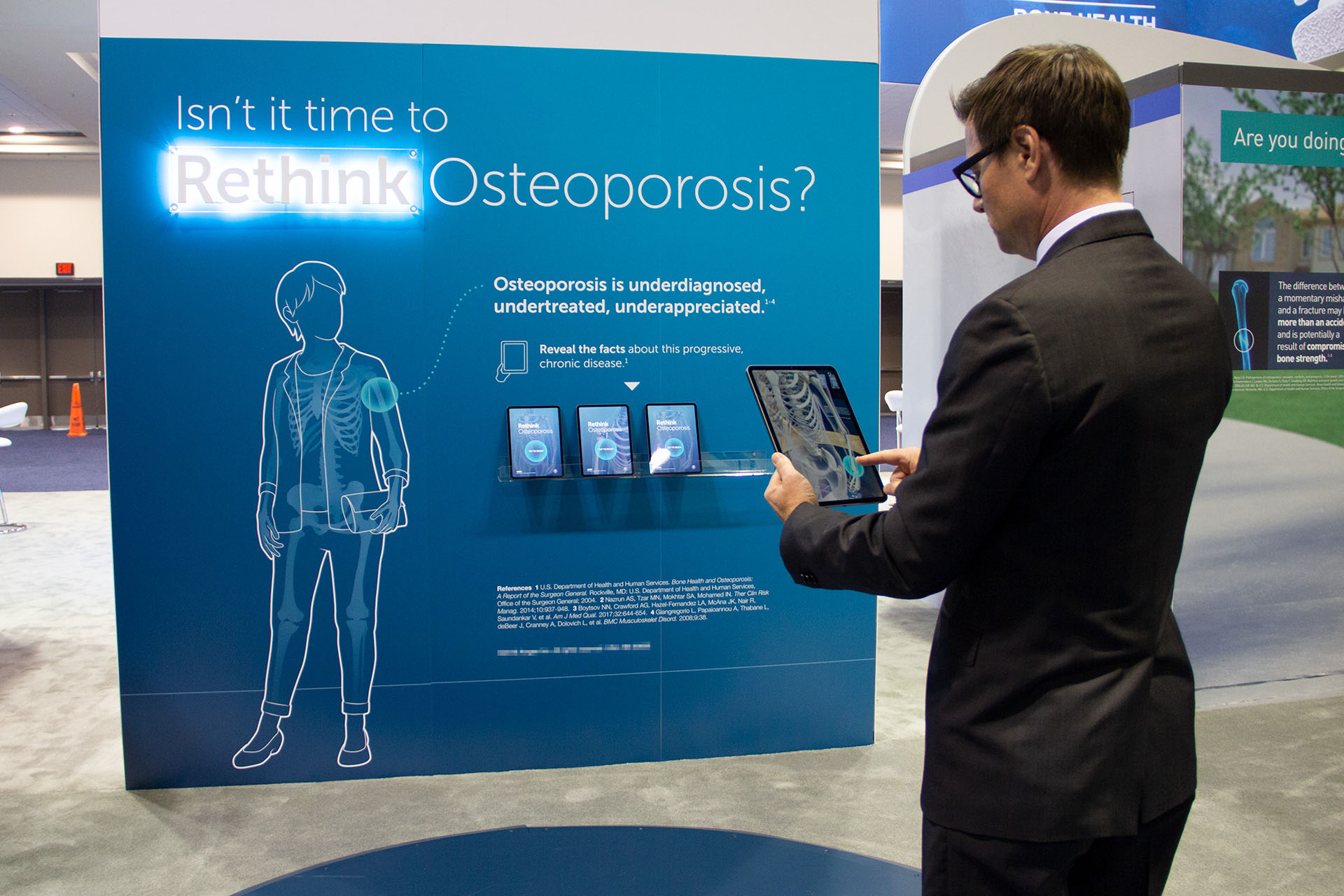
In the competitive biotech industry, it’s critical to keep track of the new trends that might translate into the next innovation for MOA animation or booth draws at a scientific congress
From biotech investor presentations, to patient education, to medical congress displays, 3D animation is one of the most powerful communication tools in the biotech industry. As biotechnology advances, there will always be a need for visual storytelling that breaks down complex science into clear and compelling narratives.
The landscape is evolving quickly. Advances in AI, immersive technology, and accessibility expectations are all reshaping how 3D biotech animation will be created. Even the context in which biotech animations are being experienced is changing. To stay on top of the curve, we need to look ahead in 2026 and beyond. Based on our 20+ years creating clear, compelling 3D animations for the biotech industry, these are our observations and predictions.
AI use in 3D biotech animation
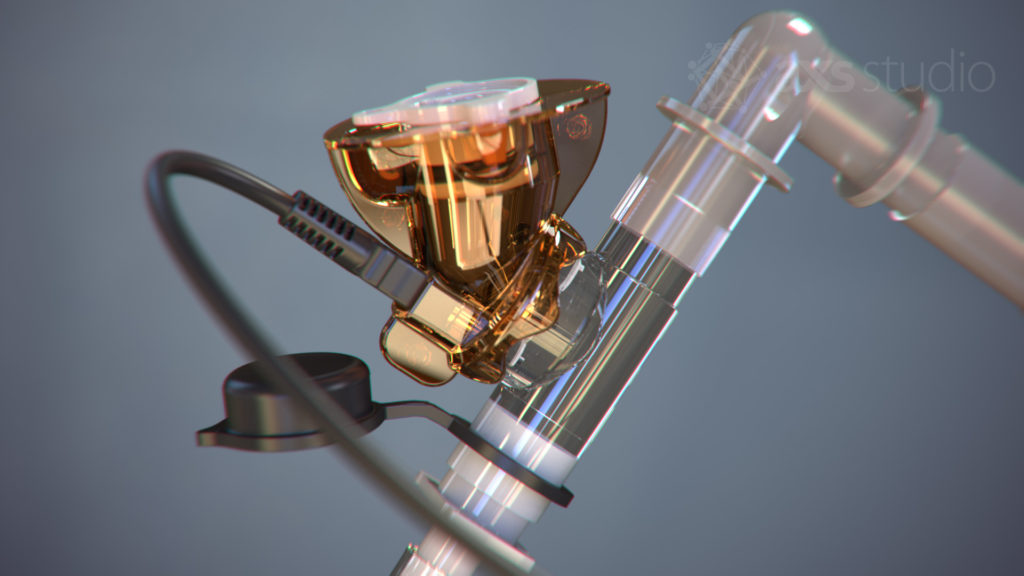
AI can be used as a starting point for code that powers procedural animation. In the example above, AI calculates a procedural “bounce” effect on the terrain where a keratinocyte’s feet touch down.
It feels impossible to talk about current technology trends without mentioning Artificial Intelligence. AI has dominated the conversation across all industries, and 3D medical animation for biotech is no exception. In the hands of a skilled artist, AI is brimming with potential. AI can be used at various points along the 3D animation workflow to automate repetitive, non-creative work, where there is no risk to data security. When applied in this way, AI is a useful tool used to help improve efficiency and solve problems. Some examples include:
- Scripts used to assist in procedural animation
- Physics-based animation calculations that are dependent on mathematical functions
- Denoising artifacts that often occur during rendering and are otherwise time consuming to fix
- Helping to organize complex production workflows
This type of AI-guided streamlining can help animators focus more time on scientific accuracy, creative direction, and storytelling—the elements that actually define high-quality 3D biotech animation.
However, AI has the potential for misuse as well. AI-powered tools are making it easier for generalists without formal animation or science training to create sophisticated-looking visuals. Generative AI models can produce an image of a heart or cell in seconds, and the temptation to lower costs and shorten timelines may lead many companies to try using generative AI for their assets.
As any expert can tell you, in scientific storytelling, the devil is in the details. Although genAI can quickly produce realistic-looking visuals, realistic is not by any means the same as accurate. We have previously discussed how there is a significant risk of AI hallucination when using genAI for biotech animation. To a trained eye, these discrepancies are glaringly obvious. The trust of a science-literate audience can break easily when presented with inaccurate visualizations, making it more important than ever to work with scientifically-trained animators who know fact from fiction. With the rise of AI videos, science-educated artists are needed to create accurate medical animations for biotech, countering the misinformation spread by “hallucinatory” AI generation.
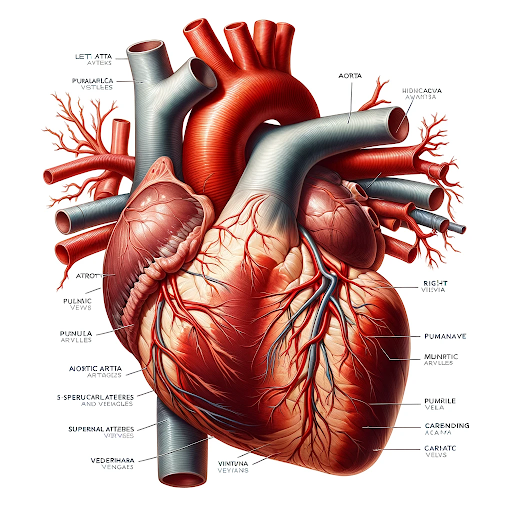
A ChatGPT rendition of a heart, with incorrect anatomy and entirely too many vessels
While AI is still a ways away from generating accurate, fact-based biotech animation on its own, there is also the legal side of things to consider. The Supreme Court just determined that genAI-created art is ineligible for copyright protection, leaving biotechnology companies unable to enforce ownership of AI videos and images they generate. These copyright issues in part have led to a rise in “No AI” clauses in biotechnology animation contracts, forcing service providers to carefully consider how AI is used in their animation workflow. Intellectual property is just too valuable to take such a risk when legislation has struggled to keep up with the tech.
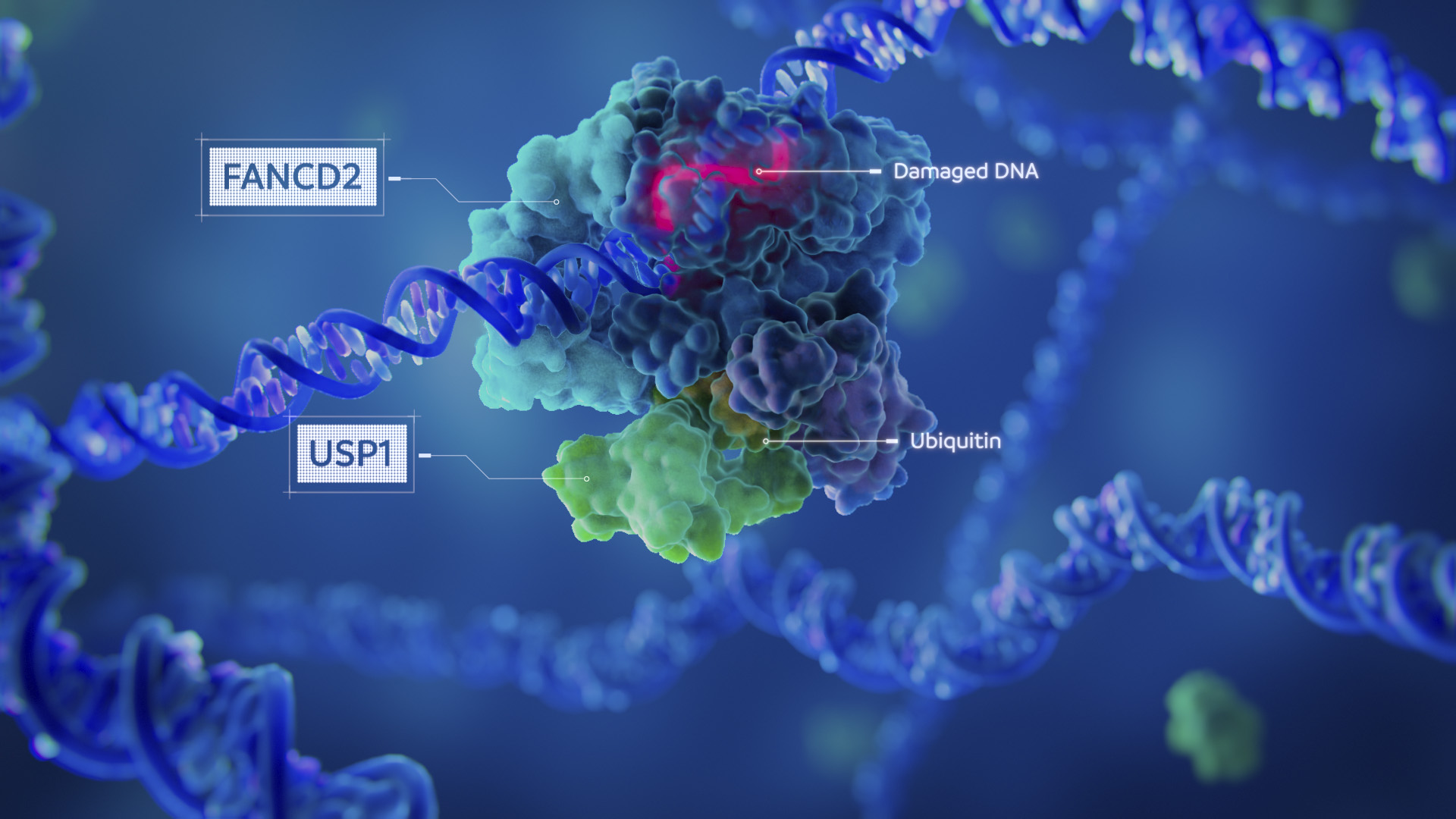
Every animator at AXS Studio has graduate-level training in life sciences combined with proficiency in 3D animation and film design. Our 3D biotech animations are the result of painstaking scientific literature review and data-driven, human-centered design.
Biotech Animation in the age of scrolling
The context in which 3D biotechnology animation is being consumed is shifting, largely driven by where people focus their attention. During commutes, in waiting rooms, or while multitasking, as a society we’re spending more time than ever staring at screens. Overall media consumption among U.S. adults was estimated to be over 11 hours a day, and most of the growth in media consumption was driven by mobile devices— over 4 hours a day, up a staggering 460% over a decade. Compared with other screens, such as TV use which peaks during the evenings and computer use which peaks during the typical 9-to-5 workday, smartphone use remains consistently high from morning until bedtime. With people checking their phone screens over 100 times daily, a new version of biotech animation optimized to capture this handheld audience is surfacing.
AXS Studio has the experience necessary for adapting biotech animations and 3D medical interactives to run smoothly across mobile and desktop browsers, without compromising on clarity or performance.
So what does a 3D biotechnology animation optimized for mobile look like?
- Modular content: audiences today tend to engage with content in short bursts. Biotech animation targeting a mobile audience gets to the point: it prioritizes quick narrative hooks, efficient pacing, and snappy visuals instead of long-form explanatory sequences.
- Portability: The small-screen nature of smartphones means that there’s less screen real estate to work with, and visual legibility becomes a real issue. A biotech animation intended for use on mobile devices needs to reduce visual clutter and make sure that visual components are large enough to parse, especially text such as labels and headers. Human-centered design can also help direct attention by using visual cues such as colour coding or visual hierarchy.
- Platform-specific design: Biotechnology companies are starting to adapt content to fit the behaviours and aspect ratios of different platforms. 3D biotech animations are being tailored for feeds, stories, and reels, which means there will be a surge in vertical-format videos.
- Silent mode: The ubiquity of phone scrolling means that people are often viewing media while on the go or surrounded by others, and may not necessarily have their volume on. This means that for biotech animations with voiceover, it’s important to include captions enabling viewers to read the script.
Biotech Animation is becoming more patient
As smartphones increase the reach of media content, 3D biotech animations are finding their way from medical conferences and investor decks to a previously underrepresented population: the patients themselves. Telehealth, patient portals, and mobile health apps have transformed how information is delivered to patients, and the rise of patient-centered care means that patients are more involved than ever in their healthcare journey. At the core is education, helping patients gain the knowledge and power to be an active participant in their healthcare. Yet limited time with physicians and dense information can leave patients confused, contributing to poor adherence and outcomes.
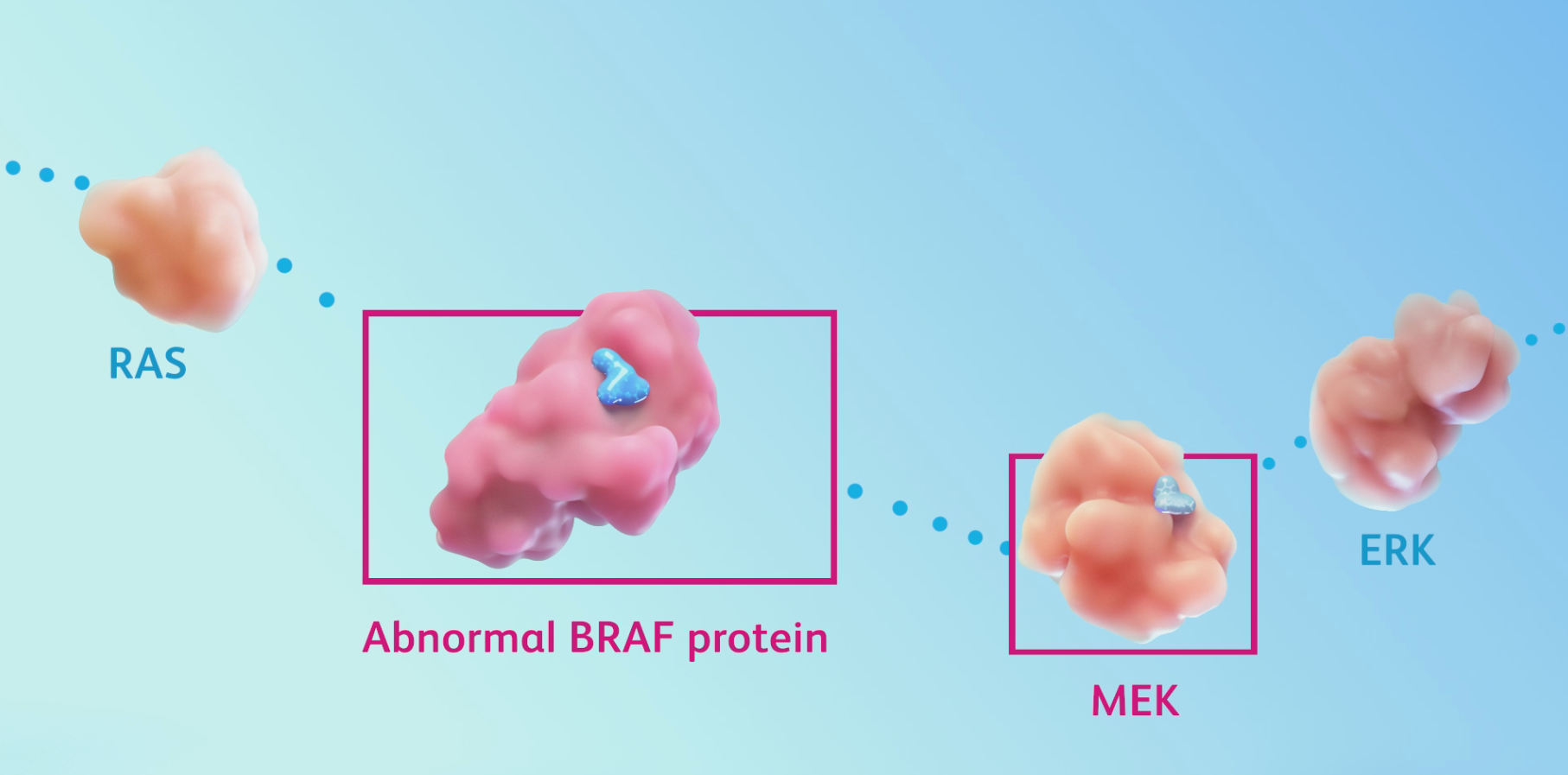
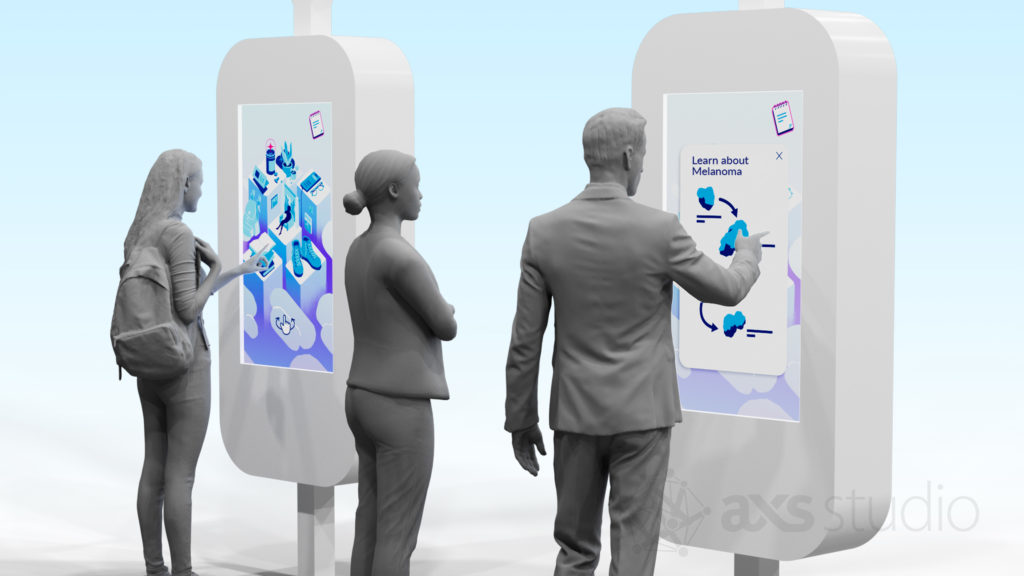
This 3D MOA animation was created for consumer education on social media, aligned with Melanoma Awareness Month. The plain-language script, lively pace and bright colour palette deliver high science concepts in a format that is easy to view and understand within a social media feed.
Biotechnology animations can help bridge this gap by becoming a reliable communication tool for physicians. Up until now, 3D animation for biotech has mostly been targeted towards experts such as physicians, researchers, and investors, often at the expense of accessibility. Dense mechanism-of-action (MOA) animations serve their purpose in scientific contexts, but may not be understandable to non-specialists looking for information about their disease or treatment plans. Looking ahead, biotech animations will increasingly be deployed in two versions: one for professional audiences and one for laypeople. This will save time for physicians by facilitating doctor-patient communication, help support patient decision-making, and improve treatment adherence through health literacy.
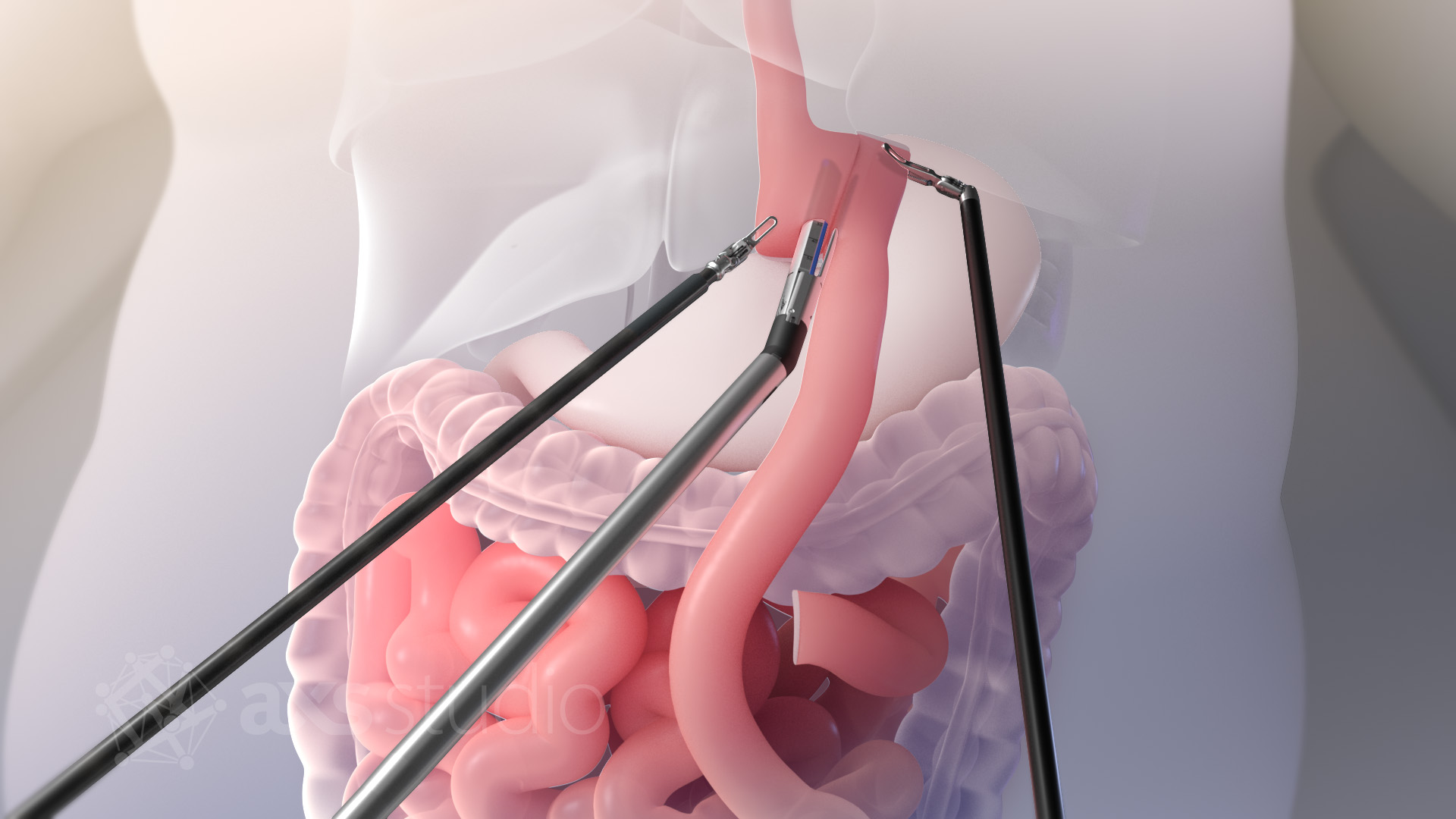
Step-by-step minimally-invasive robotic-assisted surgery: visualizing procedures with 3D biotech animation helps patients understand what to expect going into surgery.
Combined with the adaptation to mobile devices, patient education animations are highly scalable across digital healthcare. They can be directly embedded into patient portals, or shared via social media as a part of an awareness campaign. The advent of patient-centric 3D biotech animations means that cutting-edge treatment information will directly reach the individuals it is meant to help.
Augmented reality (AR) under the spotlight
Other exciting technologies are scheduled to take the stage in 2026 and beyond: smart glasses are the big new trend of the decade. Multiple AR glasses are poised to hit the market from Google, Meta, and Apple within the next few years. More versatile and lighter weight than VR headsets, these high-tech glasses are a promising mixed reality (MR) interactive medium for 3D biotech animations for use at medical congresses.
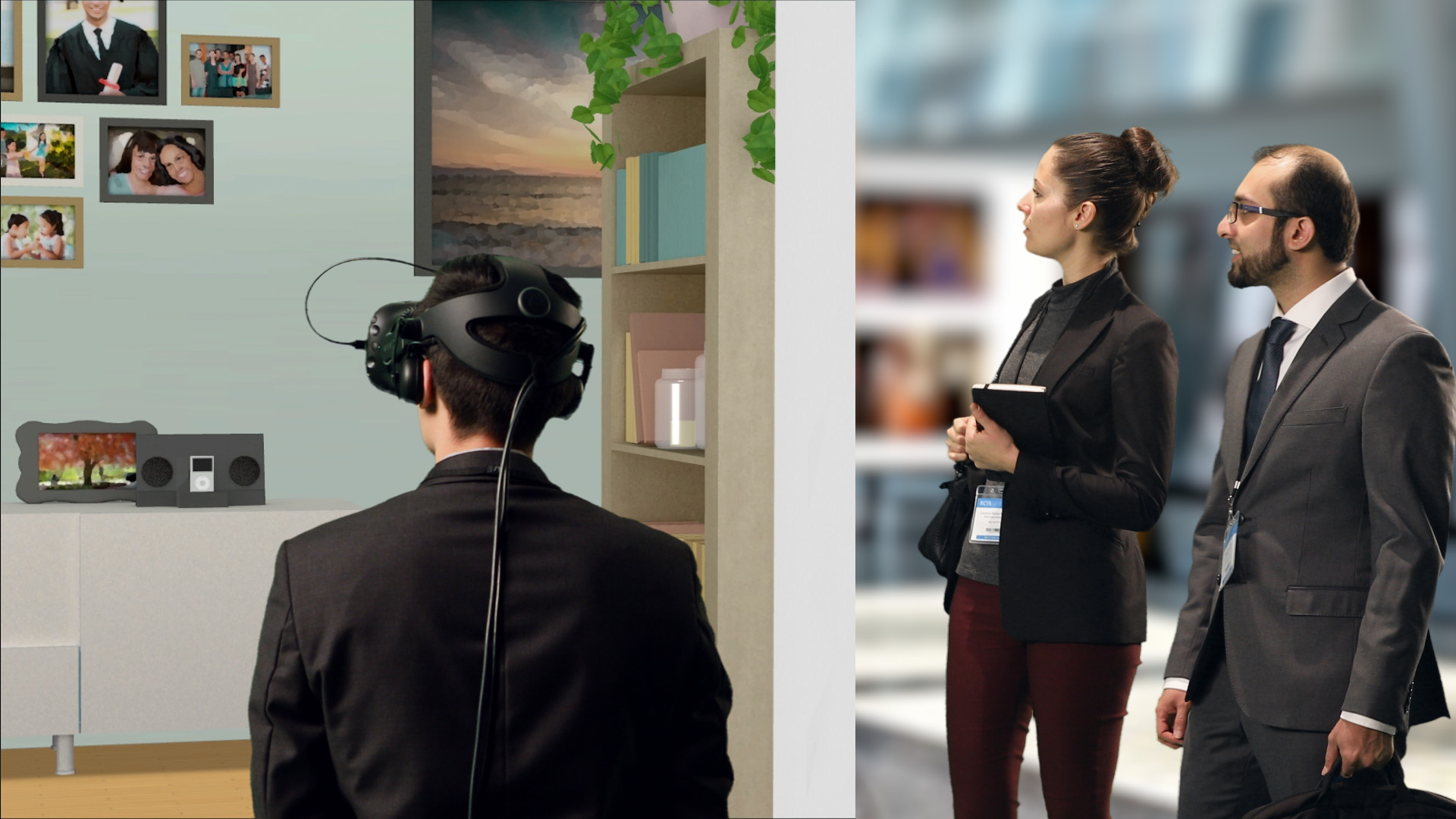
Virtual reality (VR) has long been successful as a high-tech booth draw for medical congresses. AR glasses might be the new big thing.
Interactive demonstrations simulate medical procedures that are difficult to replicate outside the clinic and OR
Previously, VR was often used as a big booth draw at biotech conferences. But facing setbacks such as the Apple Vision Pro flop, global demand for VR headsets fell 14% in 2025. At the same time, AR glasses saw a 50% increase in shipments over the same period. These devices may transform how interactive 3D biotech animation is presented and experienced on busy congress floors.
Compared to traditional VR headsets, smart glasses have several advantages that make them more appealing in medical congress environments. They are generally lighter, easier to wear, and less disruptive to a person’s appearance—important considerations for attendees who may be moving between presentations and networking events. From a usability standpoint, experiencing an interactive biotech animation with AR glasses may feel more intuitive for audiences who are less familiar with complex tech interfaces. AR glasses are the perfect MR wearable, overlaying digital information on top of the real world while allowing users to still see and interact with the people around them. At conferences, this means networking conversations can still happen naturally even as the 3D biotech animation is playing before their eyes.
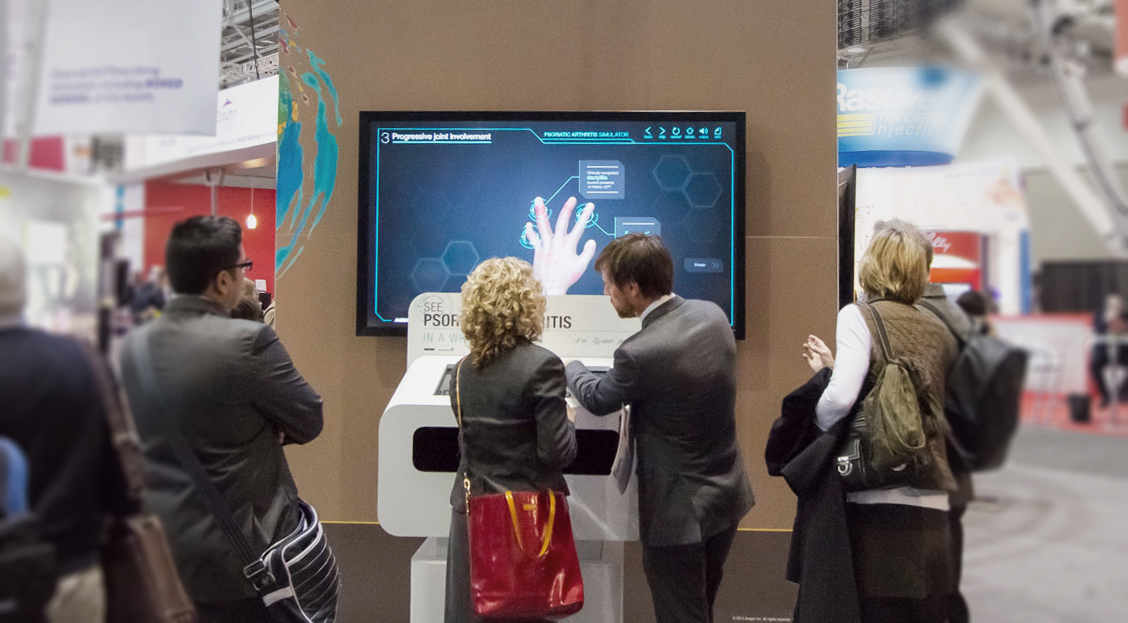
We make it our business to stay on top of technological trends to create unique interactive experiences for medical conferences. Our past work in mixed-reality has resulted in huge increases in traffic and engagement for our clients.
That said, virtual reality is unlikely to disappear. New VR headsets are still being developed and, paired with omni-directional treadmills that allow users to explore in 360 degrees inside AI-generated worlds, will remain the preferred platform for fully immersive experiences. When applied to 3D biotech animation or interactives, these types of experiences may be particularly valuable for tech-literate audiences who are comfortable engaging with immersive technology. In the future, biotechnology companies may choose to use a combination of platforms: lightweight mixed-reality glasses for busy congress floors, and deeper VR experiences for the fully immersive “wow!” factor.
Breaking barriers for inclusive scientific communication
Beyond new technologies, another major trend shaping medical animation for biotech is the growing emphasis on accessibility. Across healthcare and life sciences, there is increasing recognition that scientific communication must be inclusive and accessible to diverse audiences. This includes patients, healthcare professions, biotech investors and researchers from a wide range of backgrounds and abilities.
1 in 4 American adults have some sort of disability; 6.2% of US adults are Deaf or hard of hearing, 5.5% have blindness or difficulty seeing, and colour blindness affects 1 in 12 men and 1 in 200 women. More and more medical and biotech conferences are adopting accessibility standards to ensure that attendees can fully participate in all aspects of a conference. As a result, companies exhibiting at these events are considering how their 3D biotech animations are experienced by everyone.
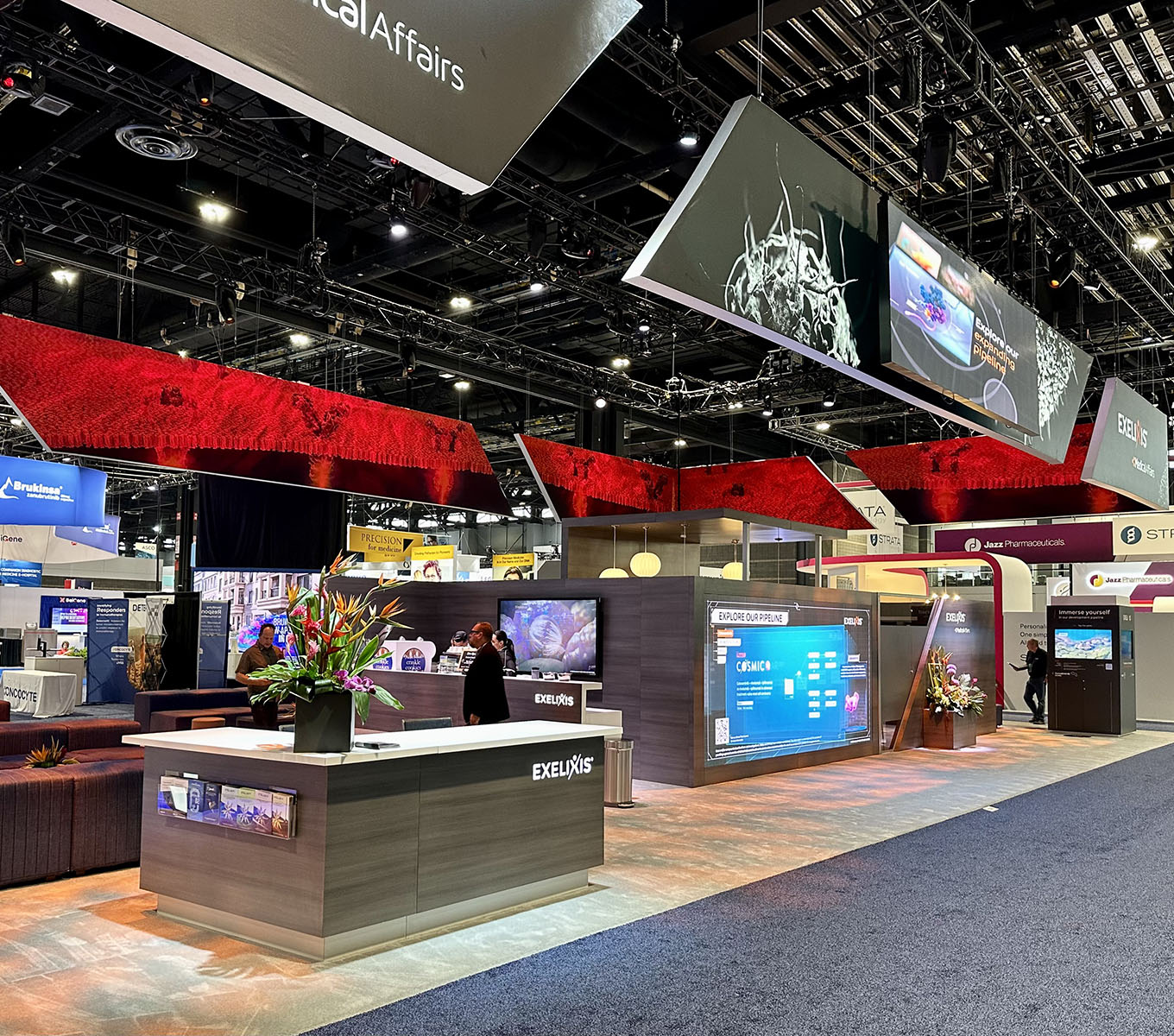
At AXS Studio, our mission involves identifying barriers to understanding science. We take accessibility seriously when designing digital and print assets for congress booths. We even wrote two blog articles about on the subject
For digital media in biotechnology, accessibility features include:
- Captions on narrated biotech animations
- Descriptive audio tracks explaining visual content
- Alt text for digital graphics and illustrations on the web
- Legible text (size and contrast)
- User interfaces (UI) designed for easy navigation
- Comfortable viewing zones
Accessibility also extends beyond conference displays to the broader design of digital communications. Standards such as the Web Content Accessibility Guideline (WCAG) encourage biotech companies to create online experiences that are usable for people with audio or visual impairments. Adhering to these standards isn’t just important for inclusivity; incorporating accessibility features can improve profitability. For websites in particular, accessible audiovisual content results in better indexing by search engines, leading to increased traffic and reach.
Furthermore, accessibility is increasingly viewed as a part of the “Social” pillar of ESG (Environmental, Social, and Governance) reporting. Ensuring that digital products (such as websites and MOA animations for biotech) are accessible demonstrates that a company values equity and social responsibility. A high ESG score is becoming a top priority for biotech investors; in fact, “S” is rated the most important ESG pillar on average globally. The evolution of accessibility standards echoes a broader shift in healthcare towards patient-centric communication.

AXS Studio is proud to report that we scored in the top 1% of companies in ESG business sustainability.
Looking ahead
The future of biotech animation will likely be shaped by a combination of technological innovation and evolving communication standards. Artificial intelligence will be integrated along the 3D biotech animation production pipeline to streamline non-creative tasks, while biotech companies that use genAI for asset production will have to work hard to ensure scientific accuracy and navigate legal issues protecting their copyrights. Medical animation for biotech optimized for mobile devices will become more prevalent, and we will also see an emergence of more patient-centric content. Mixed reality and immersive wearable tech may transform how audiences experience 3D biotech animation, especially at conferences and events. In a world where scientific advances are happening daily, clear visual storytelling will remain one of the most powerful ways to connect with audiences.