Key takeaways:
- The number of surgeries performed each year continues to grow, accompanied by a need for effective education materials
- 3D surgical animations provide advantages over video and photographs, allowing complex surgeries to be shown in clear, didactic steps
- Using 3D surgical animations to educate patients can improve their understanding, while decreasing preoperative anxiety
- Studies show that use of surgical animations improves healthcare professional (HCP) learning and knowledge retention
- 3D surgical animation gives medical device sales teams control over how their product is represented
Modern healthcare is continuously trying to improve medical communication, education, and patient experiences, even as patient volumes increase for surgical procedures. According to research based on US National Health Interview Survey data, approximately 1 in 9 people living in US households reported having surgery in the previous year. For those aged 65 and over, that figure rises to almost 1 in 5. Demand is only growing; research examining over two decades of Medicare data has found an overall increase in surgical procedure volumes, despite temporary declines during the COVID-19 pandemic. The need for effective surgery education is unlikely to disappear any time soon.
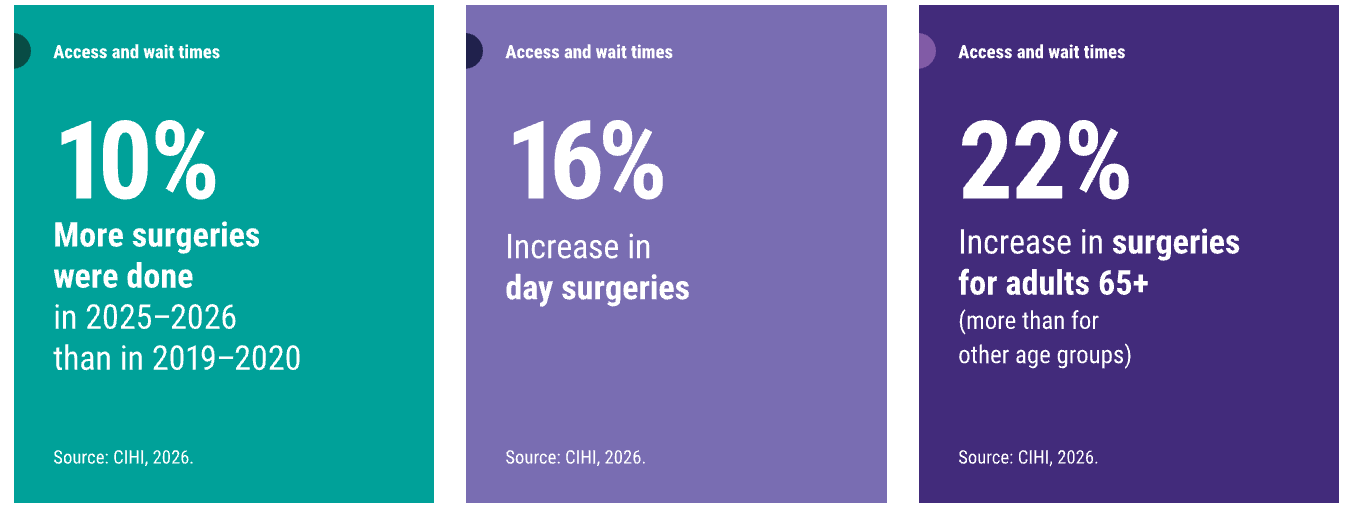
Canadian data show similar trends — surgery volume has surged since 2020. Canadian Institute for Health Information. Annual Change in Surgical Volumes Since Start of COVID-19 Pandemic. (source: CIHI)
How do you make something as complex as surgery easier to see and understand? Here’s where 3D surgical and medical animation comes in. The advantages of 3D surgical animation extend far beyond simple visualization. These animated surgical procedures are transforming patient education, medical training, and healthcare marketing. Let’s explore how this specialized niche of medical animation has grown to become a valuable tool in healthcare communication.
Less is More: Simplifying Makes Complex Surgical Procedures Easier to Understand
“Why don’t you just take a picture?” people who don’t understand the value of 3D medical animation often ask. It’s a reasonable question, especially when modern surgical cameras are smaller than ever before, and can capture incredibly detailed footage from both outside and inside the human body. However, seeing a surgical procedure and actually understanding what’s happening are two very different things.
A live surgical recording can show exactly what a surgeon is doing, but it doesn’t automatically direct the viewer’s attention to the most important anatomical structures and steps in the process. Surgical procedures often involve multiple layers of tissue, with key anatomical structures obstructed or identified only by palpation. For an HCP, that’s a lot of visual noise to cut through to get to the point. And for someone without a medical background, even a relatively straightforward operation can look like a confusing mess of instruments, tissues, and blood.
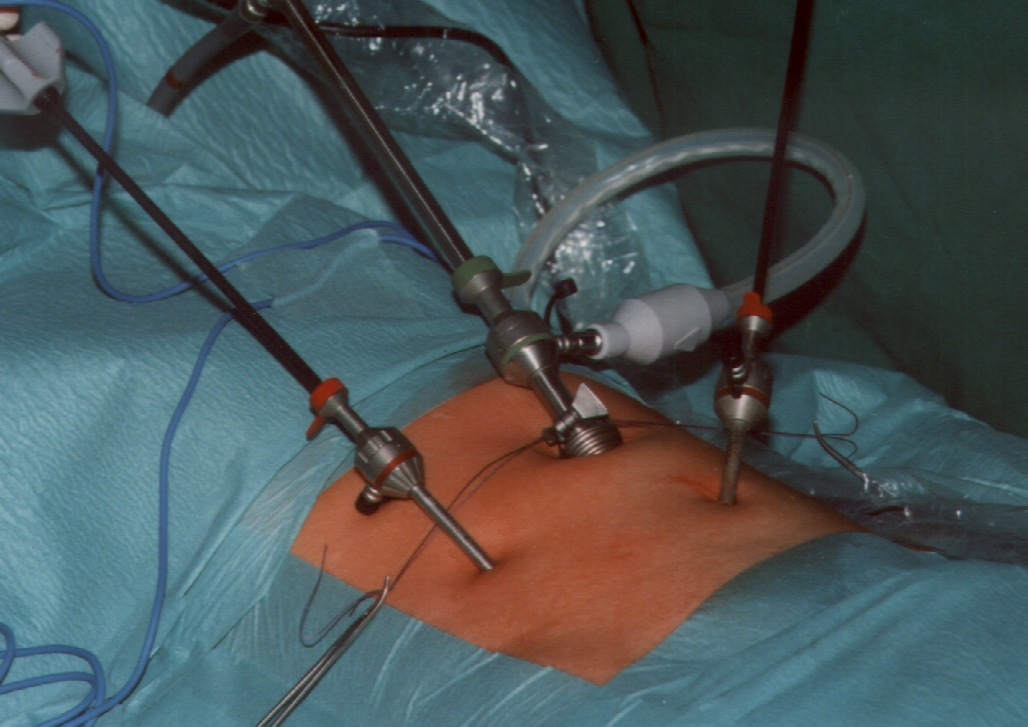
A photograph of port sites for inguinal hernia repair. This file is licensed under the Creative Commons Attribution-Share Alike 3.0 Unported license. (source: Wikipedia)
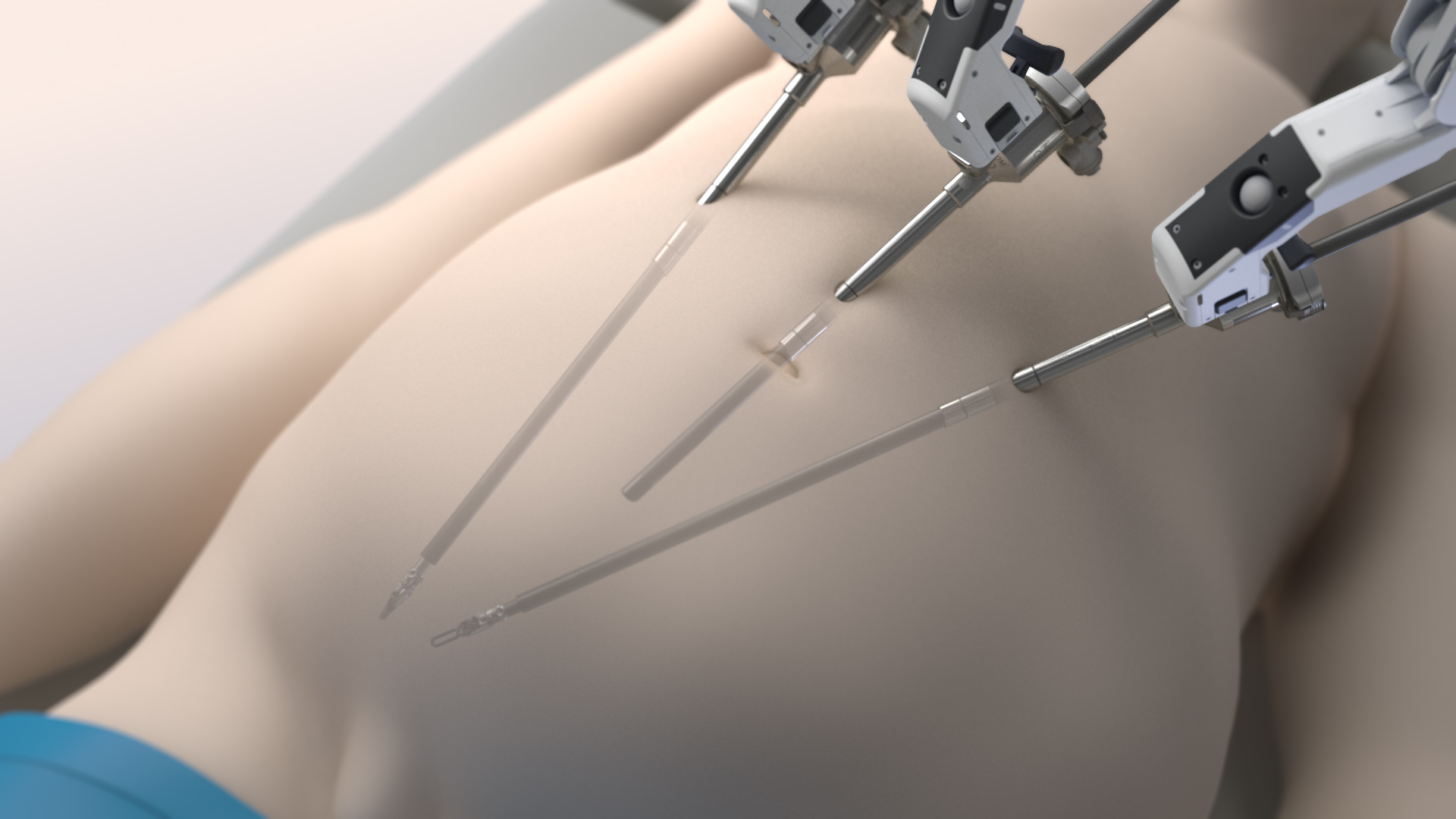
The same operation set up portrayed in 3D surgical animation allows the viewer to clearly see the context of the body without draping, and the transparency of the body clearly shows the positioning and depth of the surgical tools relative to each other (source: AXS Studio)
This is where 3D surgical animation comes in. Rather than simply showing the anatomy, a 3D animation tells a story. For example, a surgical animation explaining a minimally invasive procedure can show how instruments enter the body through small incisions, navigate around anatomical structures, and perform the necessary surgical steps. Both HCP and patient viewers are able to follow the procedure step-by-step with close-up shots, changing camera angles, transparent anatomical layers, and detailed cross-sections providing additional context. And because the animation is created digitally, there is no need to limit the perspective to what a physical camera can actually capture. Structures can be isolated, made transparent, enlarged, or rotated to any angle to highlight details that might otherwise go unnoticed. In fact, 3D medical animation has been shown to significantly improve medical learning and knowledge retention among both patients and trainees.
3D Surgical Animation Improves Patient Education and Understanding
Patient education is an essential part of effective healthcare. Patients need to understand their medical conditions, available treatment options, potential risks, and expected outcomes before making informed decisions about their care. This becomes challenging with complex surgical procedures, when there is a huge amount of medical terminology for the patient to have to process. Words alone are often insufficient to explain the details. On the other hand, photos or videos of the actual surgical procedure can come across as intimidating, graphic, or even gory for a patient audience.
3D surgical and medical animations offer a way to illustrate internal anatomy and surgical instruments using a clean and approachable visual style. Stripping away unnecessary details, they can communicate the steps of the procedure accurately without exposing patients to the blood and graphic details associated with real surgical footage. This makes it easier for the patients to process the information without becoming distracted or distressed by what they are seeing. Rather than solely relying on verbal explanations or static diagrams, patients can see exactly how the procedure unfolds in a timewise, easy-to-follow format. Research has shown that animated videos significantly improves the short-term recall of healthcare information among adult patients across various healthcare settings compared to traditional methods of information delivery.
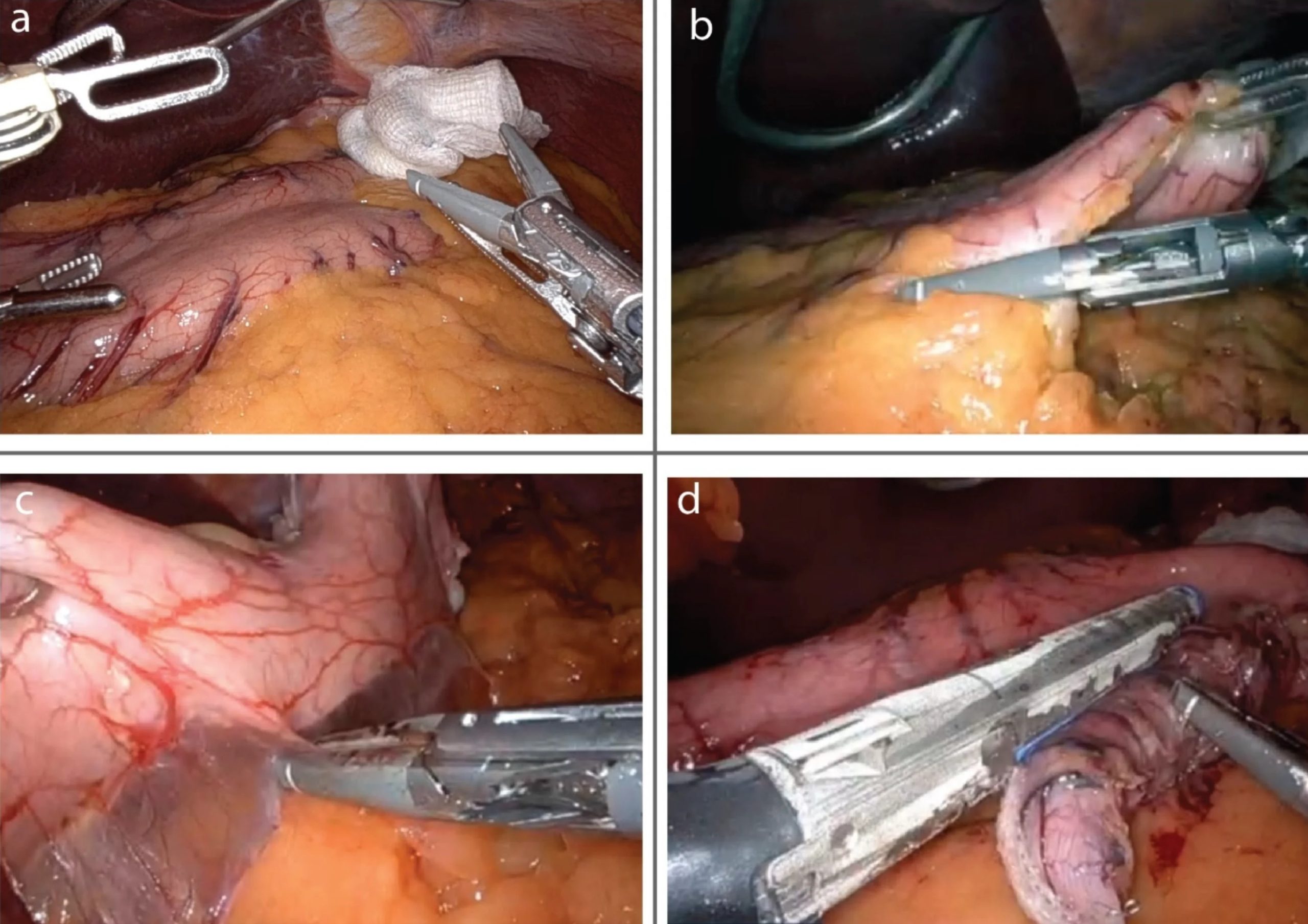
Images from a laparoscopic sleeve gastrectomy surgery. Distributed under the terms and conditions of the Creative Commons Attribution (CC BY) license (source: Journal of Clinical Medicine)
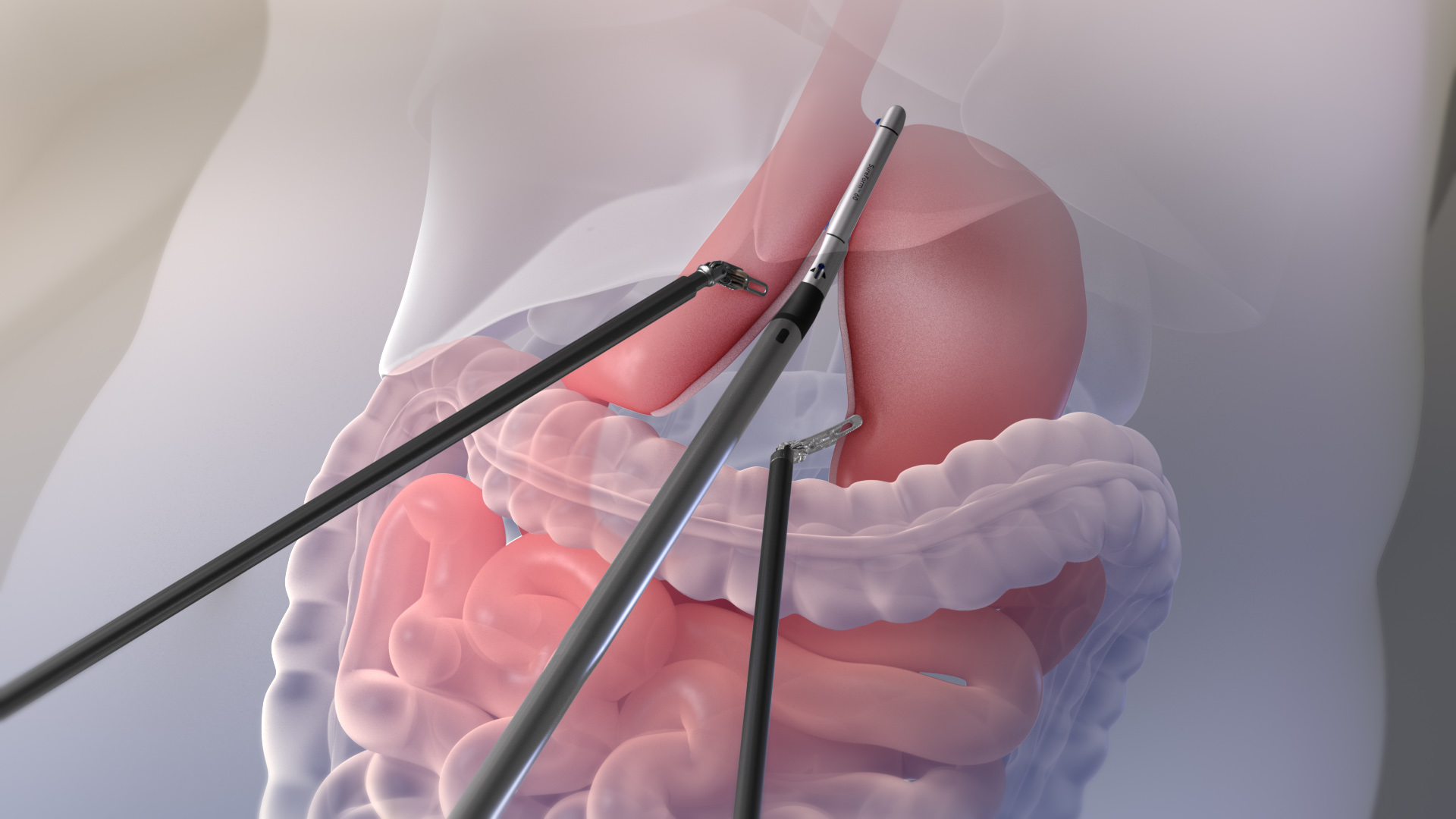
For a sleeve gastrectomy depicted in a 3D surgical animation, we used a camera angle that shows the placement of the surgical tools relative to the patient’s body and organs. The organs not relevant to the surgery are semi-transparent, but present for context. As patients were the target audience, we developed an approachable visual style that limits the photorealism of the anatomy. (source: AXS Studio)
This improved understanding can play an important role in reducing preoperative anxiety and improving patient satisfaction. When patients have a clearer picture of what to expect, the unknown becomes less frightening. A patient can go through a 3D surgical animation at their own pace, on their own time. They can pause and rewind to review any steps they might have missed. Importantly, 3D surgical and medical animations should complement direct communication with HCPs, rather than replace it. The goal of the surgical animation should ultimately be to support better patient understanding of their healthcare journey, and more meaningful communication between them and their doctor.
Surgical Animation Enhances Surgeon Training
Beyond patient education, 3D surgical animation offers significant advantages for educating and training surgeons as well. One of the key benefits is the ability to showcase complex anatomical structures and surgical techniques in ways that traditional textbooks, diagrams, and recorded surgical footage cannot always achieve. Surgical and medical animations can depict the body from multiple angles, isolate and highlight key structures, and reveal structures in situ in 3D space.
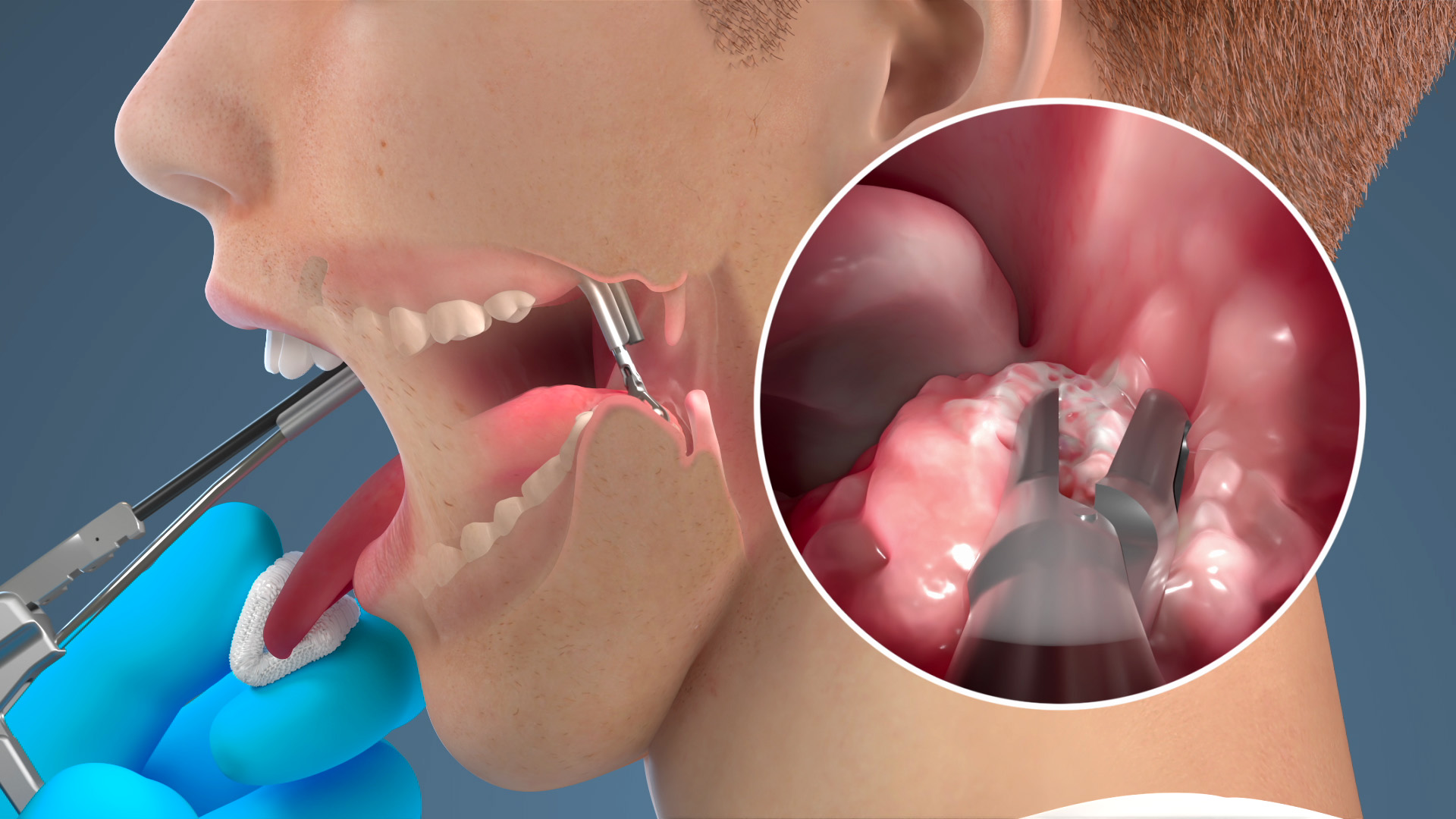
Surgical animations provide perspective and context to learners in a way that traditional training materials fail to replicate. Here, a 3D surgical animation shows the surgeon’s perspective from a flexible scope camera at the same time as a contextual lateral view of the biopsy site through the semitransparent skin of a patient (source: AXS Studio)
Research supports the educational value of this approach. A randomized study published in the British Journal of Ophthalmology examined the use of 3D surgical and medical animation to teach cataract and glaucoma surgery to 172 medical students. Students who received teaching that incorporated 3D surgical animations alongside conventional surgical videos achieved significantly better scores in both anatomical and theoretical understanding than those who watched surgical videos alone. More recently, a 2024 randomized controlled trial published in the Journal of Surgical Education investigated a hybrid training system combining real surgical footage with 3D surgical animations for orthopedic residents. Among the participating doctors, those using the combined 3D animation training system showed greater improvements in understanding procedural steps and surgical techniques than those using conventional surgical footage or textbooks.
Regardless of whether the surgical animation is viewed by students or doctors, it is undeniably a valuable tool for ongoing education and professional development. Surgeons can use surgical animation to familiarize themselves with new techniques and stay informed about advances in medical technology. By making anatomy and surgical techniques easier to visualize, animated surgical procedures can complement traditional teaching methods, support knowledge retention, and help prepare doctors for the practical demands of surgical care.
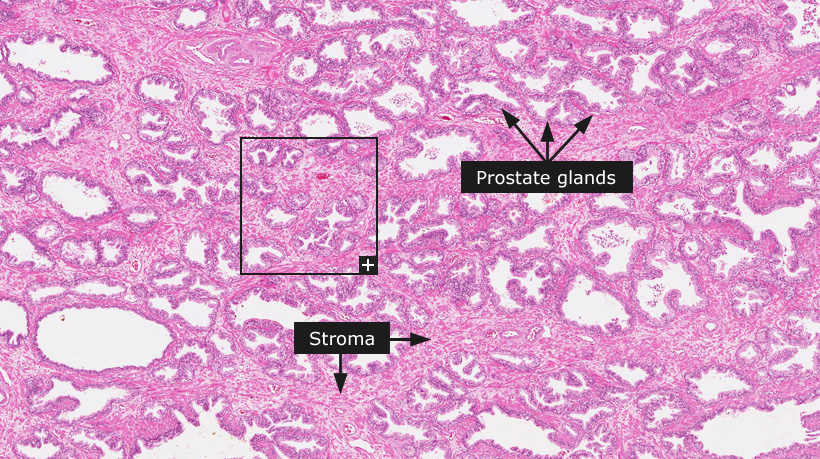
Prostate histology showing glandular structures and surrounding stroma. Creative Commons Attribution-ShareAlike 3.0 International License (source: Human Protein Atlas)
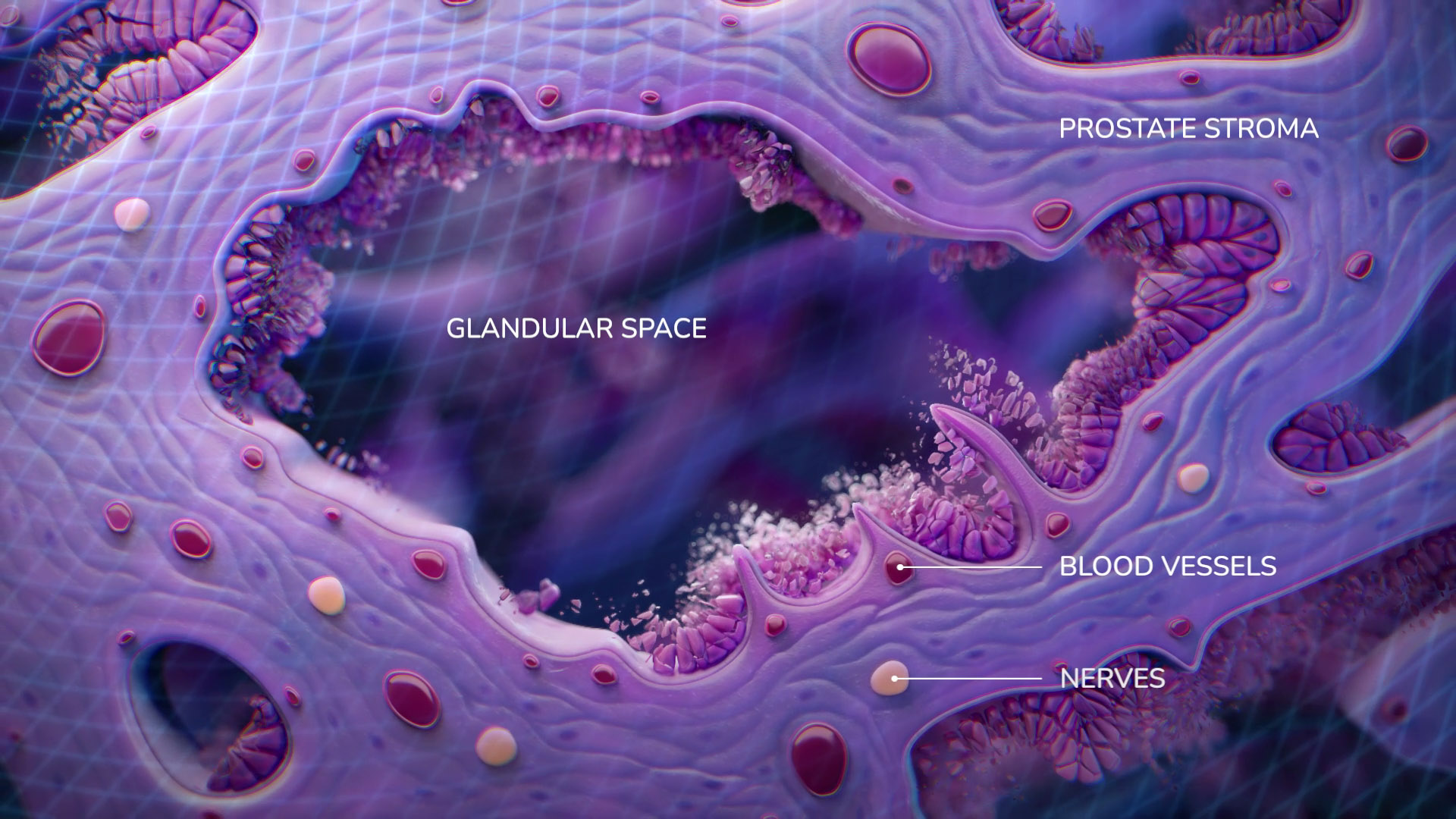
The prostate gland microscopic environment shown in a 3D medical animation can help clarify the structures and focus a viewer’s attention (source: AXS Studio)
3D Surgical Animation Can Transform Medical Device Sales
Marketing medical devices and surgical tools comes with several unique challenges. Surgical devices are designed to be used in motion, often within the human body, making their functionality difficult to demonstrate with traditional photography or static product images. You can’t simply have a patient available for a live demonstration, nor is it practical to showcase a novel device in an actual surgical setting. Sometimes the surgical device makes use of a technology invisible to the naked eye, such as electromagnetic fields or radiation. On top of that, the audience for medical device companies may not have the medical or technical knowledge needed to understand how a medical device works and what makes it so valuable. So how do you effectively communicate a complex surgical procedure and demonstrate medical device functionality, while at the same time convincing different stakeholders of its value?
Once again, the key to the puzzle is 3D surgical animation. Importantly, medical animation gives companies complete creative control over how their products are presented. A surgical device can be shown from any angle, magnified to reveal intricate details, or placed inside a realistic anatomical environment to demonstrate its functionality. The device can be opened up to reveal complex internal mechanisms and its individual components can be separated and explained. Best of all, this can be accomplished without the need for a live patient, an operating room, or even a sales representative. This makes animated surgical procedures an incredibly effective communication tool for audiences regardless of their medical and technical backgrounds.
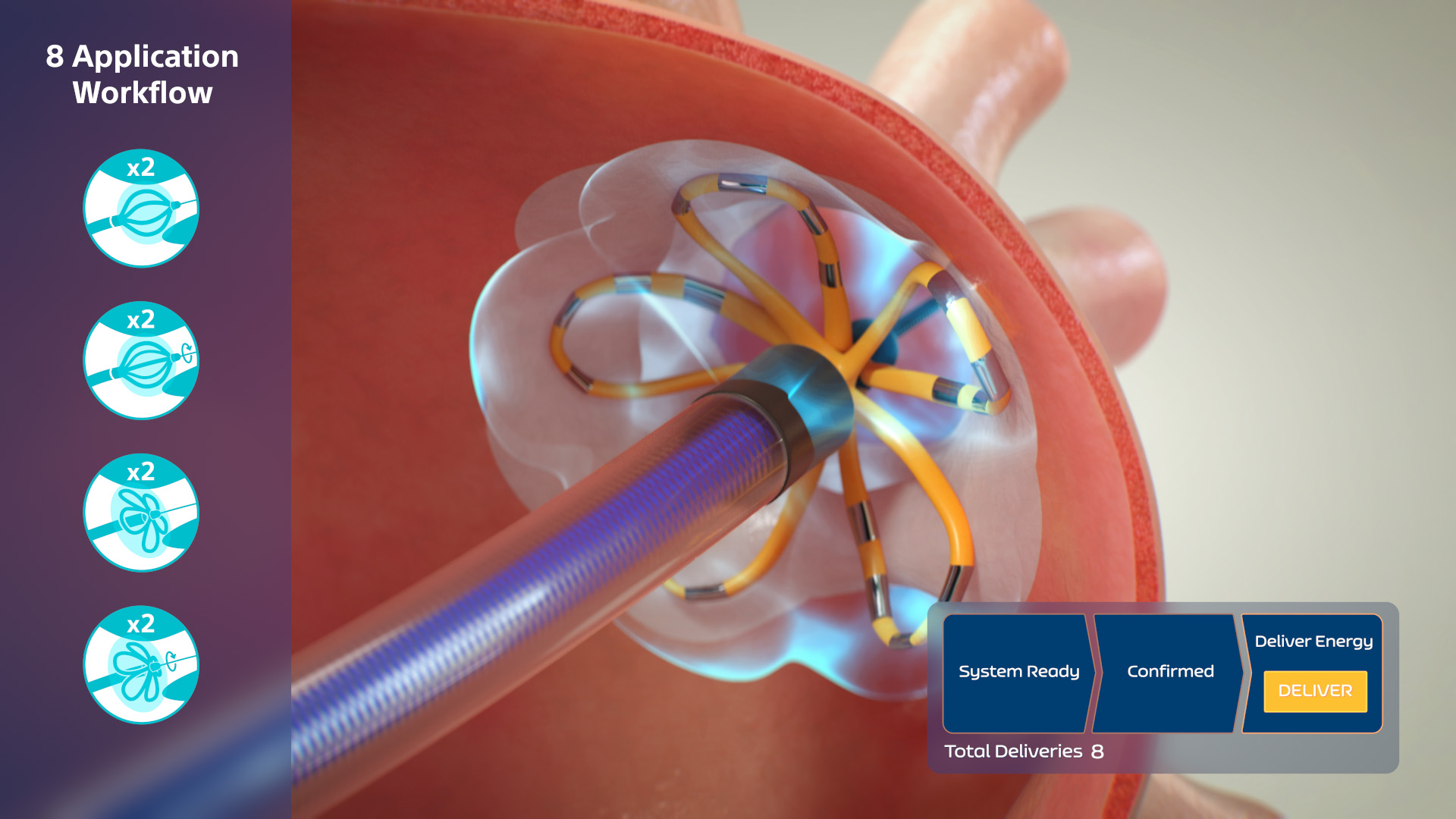
The commercial launch of a surgical device requires a strategy that combines the company’s key messaging with clear and beautiful visuals showing the unique aspects of the new technology. Here, medical animation allows the product functionality to be shown using a cross-section of the heart, with its invisible electric field portrayed in blue — try capturing that with a physical camera! (source: AXS Studio)
As the number of surgeries increase and medical technology advances, the need for engaging and accurate medical visuals will only grow. At its core, 3D surgical animation makes complex medical information easier to understand. It bridges the gap between technical knowledge and visual communication, allowing different audiences to see, understand, and retain knowledge that might otherwise be challenging to explain. No matter if the goal is to educate, train, inform, or sell, 3D surgical animation brings medical concepts and surgical procedures to life in a memorable way.
Frequently asked questions
Animated surgical procedures are a subcategory of medical animation that uses computer-generated imagery (CGI) to visually demonstrate surgical procedures and medical device functionality. It transforms complex medical concepts into realistic, easy-to-understand visual experiences that can be used for patient education, HCP training, medical device marketing, and product demonstrations.
While photographs or video recordings are useful for communicating specific information, they are limited to capturing the physical world. 3D surgical animation can show how anatomical structures interact and surgical instruments move from angles that a camera can’t reach. It can make the layers of the body transparent and remove unnecessary or distracting details that are unimportant for the science story being told. Medical animation can use visual treatments such as highlighting, colour changes, depth of field, or special effects to bring key players into focus. This helps guide the viewer’s attention to where it really matters.
3D surgical animations are versatile marketing and educational assets that can be in a wide variety of situations, including:
- Hospital and healthcare organization websites
- Patient education presentations
- Patient-doctor consultations
- Medical conferences and educational events
- Medical devices sales presentations and trade shows
- Surgeon training programs
- Social media and digital advertising campaigns
- Product launches and investor presentations
Production timelines depend on the complexity of the animation, anatomical detail, animation length, and number of shots required to depict the procedure. The whole process will involve research, script writing, storyboarding, 3D modeling, animation, rendering, and revisions. A relatively simple animation may take several weeks, while highly detailed surgical animations involving complex procedures may require several months. The range is typically 10–16 weeks.
Professional surgical animation costs between US $35,000 and $70,000 per finished minute.* The cost per minute decreases with longer animations.
This range reflects differences in:
- Medical expertise—whether Certified Medical Illustrators (CMIs) are involved to ensure medical accuracy
- The number and complexity of the surgical steps
- Audio requirements, including voiceover, sound effects, music and mixing
- Review and revision requirements
- MLR/PRC submission support
*Some low-cost vendors advertise 3d surgical and medical animation for less money created by generalist animators without professional medical animation training.
Want to Learn More About the Advantages of Surgical Animation?
Whether you are creating training materials for surgeons, preparing for a conference/tradeshow exhibit, or commercializing a new medical device, a professional medical animation team can help communicate your message clearly and effectively.
References and Resources
- Bicket MC, Chu, K-P, Lagisetty P, Li Y, Waljee JF, Brummett CM, Nguyen TD. Prevalence of surgery among individuals in the United States. Ann Surg Open. 2024;5(2), e421. https://doi.org/10.1097/AS9.0000000000000421
- Canadian Institute for Health Information. (n.d.). Annual change in surgical volumes since start of COVID-19 pandemic. https://www.cihi.ca/en/indicators/annual-change-in-surgical-volumes-since-start-of-covid-19-pandemic. Accessed November 16, 2026.
- Cleeren G, Quirynen M, Ozcelik O, Teughels W. Role of 3D animation in periodontal patient education: a randomized controlled trial. J Clin Periodontol. 2014;41(1):38-45. https://doi.org/10.1111/jcpe.12170
- Hansen S, Jensen TS, Schmidt AM, Strøm J, Vistisen P, Høybye MT. The effectiveness of video animations as a tool to improve health information recall for patients: systematic review. J Med Internet Res. 2024;26:e58306. https://doi.org/10.2196/58306
- Prinz A, Bolz M, Findl O. Advantage of three dimensional animated teaching over traditional surgical videos for teaching ophthalmic surgery: a randomised study. Br J Ophthalmol. 2005;89(11):1495-1499. https://doi.org/10.1136/bjo.2005.075077
- Singh R, Shahbandi A, Singh A, et al. U.S. surgical practice: 23-year trends in Medicare procedures and reimbursement. Ann Surg. Published online 2025. https://doi.org/10.1097/SLA.0000000000006912
- The Human Protein Atlas. Prostate. https://v18.proteinatlas.org/learn/dictionary/normal/prostate. Accessed November 23, 2026.
- Tish S, Corcelles R. The art of sleeve gastrectomy. J Clin Med. 2024;13(7):1954. https://doi.org/10.3390/jcm13071954
- Xue M, Liu P, Zhang J, et al. Does a video-based and 3D animation hybrid learning system improve teaching outcomes in orthopedic surgery? A randomized controlled trial. J Surg Educ. 2024;81(9):1305-1319. https://doi.org/10.1016/j.jsurg.2024.05.015
- Yilmaz M, Karaman Özlü Z. The effect of animation-based patient education before robotic surgery on surgical fear, anxiety, and patient satisfaction. J Perianesth Nurs. Published online 2026. https://doi.org/10.1016/j.jopan.2026.10.012
- Zhang Q, Xie Y, Ding F, Ma S, Wang W. Application of renal pathology three-dimensional animation in clinical clerkship teaching for medical students: a randomized-controlled trial. BMC Med Educ. 2026;26:294. https://doi.org/10.1186/s12909-026-08663-4