Key takeaways:
- MOA animation emerged in the late 1990s with the advent of commercially available 3D computer animation technology.
- MOA animations are often created by medical animators with graduate training in scientific communication and medical illustration.
- MOA and MOD videos are closely related but differ in the science they communicate: mechanism of action versus mechanism of disease.
- Pharmaceutical and biotechnology companies use MOA videos to educate HCPs and patients, support Medical Affairs and Marketing initiatives, communicate with investors and showcase science at medical congresses.
- The visual language of MOA animation has evolved with advances in computer graphics, with an overall trend toward photorealism.
- AI can improve efficiency in parts of the MOA animation workflow, allowing animators to focus more time on creativity, storytelling and scientific accuracy.
- AI-generated concept art can create production challenges when a proposed visual treatment cannot be reliably reproduced using animation software.
- A typical 90-second professional MOA animation costs approximately US $50,000–$120,000 and takes about 10–16 weeks to produce.
MOA animation, or mechanism of action animation, is a subtype of medical animation that explains how a drug works at the molecular and cellular level: which biological molecules it interacts with, which pathways it affects and how those interactions contribute to a therapeutic effect.
MOA is an abbreviation for mechanism of action and is widely used in the pharmaceutical, biotechnology and medtech industries. MOA is also sometimes expanded to mode of action, with essentially the same meaning. The terms “MOA animation” and “MOA video” are commonly used interchangeably.
In the three decades since 3D-animated MOA videos first appeared, the art, craft and economics of MOA medical animation have evolved considerably. In this article, we look at that evolution from the perspective of more than 22 years creating award-winning MOA animations for the life sciences industry.
Who Makes MOA Videos?
Commercially available computer animation tools helped kick-start MOA video production in the late 1990s, with scientifically trained medical illustrators among the early practitioners. This coincided with a growing need among pharmaceutical companies to communicate increasingly complex drug information to healthcare professionals (HCPs). Notable MOA animation pioneers include Jane Hurd, who founded Hurd Studio in New York City in 1998, and Keith Kasnot. As computer animation technology became faster and more affordable, more studios entered the field. These included medical animators with graduate training in subjects including human anatomy, cell biology, molecular biology, pathology and scientific visualization—like the founders of AXS Studio.

AXS Biomedical Animation Studio founders Sonya Amin, Jason Sharpe and Eddy Xuan in 2007.
Today, dozens of studios around the world offer MOA animation services, and their qualifications and expertise vary widely. Animators with M.Sc. degrees in medical animation or related fields and Certified Medical Illustrator (CMI) designation bring scientific knowledge and visual communication expertise to the production process—both important for creating MOA videos that are scientifically accurate and communicate effectively.
MOA vs. MOD Animation: What’s the Difference?
No, MOD animation does not describe stop-motion films about The Who, The Jam and other British bands from the 1960s and ’70s. MOD is an abbreviation for mechanism of disease. A close relative of MOA, MOD animation describes the biological events—usually molecular and cellular—that cause or contribute to an illness. It is not uncommon for a medical animation to begin with the mechanism of disease, the problem, and then move to the drug’s mechanism of action, the solution. This creates a satisfying narrative arc that taps into our innate affinity for storytelling.
Pharmaceutical and biotechnology companies must, of course, follow strict regulatory guidelines governing the language and claims they can make in both MOD and MOA animations. Working with an experienced medical animation company can help ensure the science is represented accurately and that the animation is developed with regulatory review in mind.
This excerpt from a combination MOD/MOA video combines 3D molecules and schematic animation to clearly describe molecular pathways involved in DNA repair.
MOD animations are often created by pharmaceutical Medical Affairs departments to educate HCPs about new discoveries involving molecular pathways in disease—for example, abnormal molecular signalling in certain cancers. This information can help HCPs better understand the scientific rationale behind investigational therapies and make informed decisions about clinical trial participation for appropriate patients.
Where Are MOA Videos Used?
If you’ve attended a medical congress or visited a website for a drug that treats a serious disease, you have probably encountered an MOA medical video. MOA videos are primarily developed for HCP audiences, often specialists in fields such as oncology, immunology, inflammatory disease and ophthalmology. Physicians, nurses and other healthcare providers attend medical and scientific meetings and visit drug and disease-education websites to learn how new and investigational medicines are thought to work.
MOA animations are therefore used across a range of pharmaceutical Medical Affairs and Marketing initiatives. They may be:
- Featured at exhibit booths at medical and scientific congresses
- Published on drug and disease-education websites
- Incorporated into presentations used by medical science liaisons (MSLs)
- Adapted for patient and caregiver education
- Used to communicate a drug candidate or platform to investors and potential partners
- Incorporated into launch communications as a product approaches commercialization
The strength of MOA animations is their ability to communicate complex biological information concisely, visually and memorably.
The Evolution of MOA Animation
Along with static MOA illustration, MOA animation is unlike most other visual media. It brings together objects that can be seen directly or with optical microscopes—gross anatomy, tissues and cells—with structures that cannot be directly observed in the same way, including small organelles and molecules. Cells and organelles are, for the most part, colourless. Molecules are smaller than the wavelengths of visible light and therefore cannot simply be photographed. They do not have colour, form and surface properties in the way we experience macroscopic objects.
Medical animators therefore rely on interpretive visualization to represent these tiny entities. They assign colours and surface properties and make structures move in ways that viewers in the macroscopic world can understand. For scientifically trained medical animators, these choices are informed by visual conventions developed by cell biologists, molecular biologists and chemists. The CPK*, ball-and-stick and molecular surface models commonly seen in MOA animation are not literal representations of what biomolecules “look like.” They are visualization systems developed by scientists to study and understand molecular structures and interactions. Over time, medical animators have adapted and combined these visual languages to engage viewers and make complex molecular narratives easier to follow.
*CPK is named for chemists Robert Corey, Linus Pauling and Walter Koltun and uses coloured spheres to represent the van der Waals radius of each atom in a molecule.
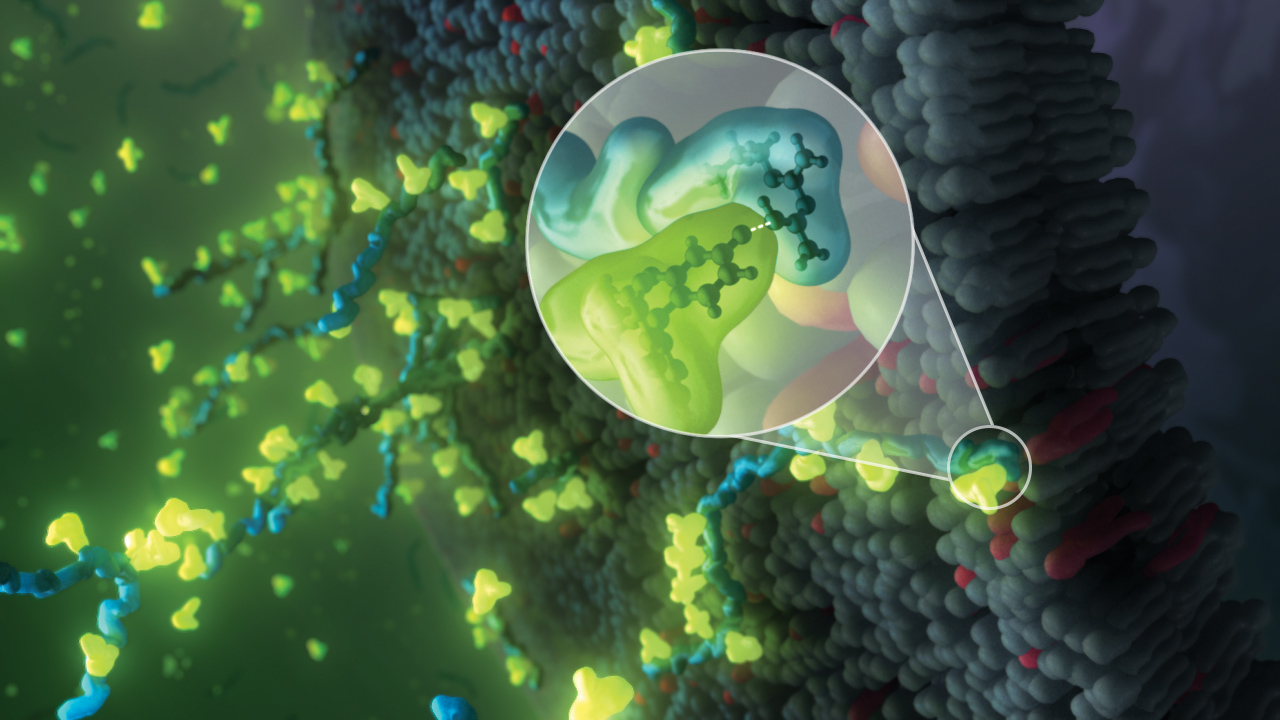
Medical animators borrow visual conventions from the scientific community and evolve them for visual impact and clear communication. In this example, ball-and-stick models were combined with surface models to indicate a transient ionic bond that is key to the MOA story being told.
Photorealism in MOA Animation
The visual treatments used in MOA medical animation have evolved alongside advances in computer graphics. One of the most obvious changes has been the increasing use of photorealistic rendering techniques. Photorealism attempts to replicate qualities associated with photography and cinematography, including realistic materials, lighting, motion blur and depth-of-field effects. One regrettable consequence of photorealism in scientific communication is the mistaken association of realistic rendering with scientific accuracy. A beautifully rendered molecular environment can still be scientifically wrong. Science-savvy medical animators can give pharmaceutical and biotechnology communications teams the best of both worlds: visually compelling depictions of disease and drug mechanisms without sacrificing scientific accuracy.
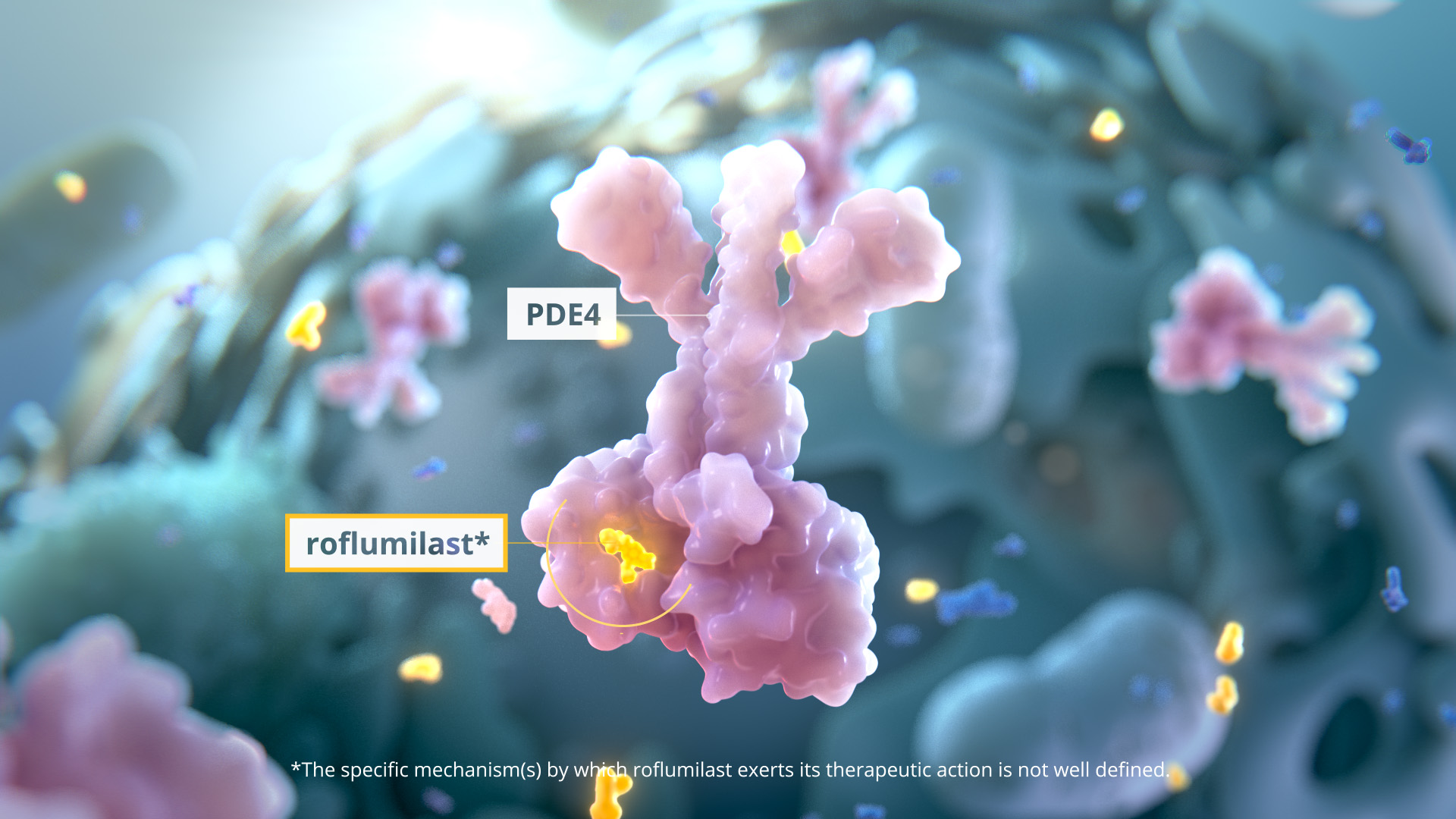
Computer graphics technology has become increasingly adept at reproducing the qualities of real materials, lighting and photography. Pharmaceutical Medical Affairs and Marketing teams have embraced this photorealism, which can give MOA and MOD videos a striking visual quality. The challenge is ensuring that realistic-looking scenes are also scientifically defensible.
MOA Animation Leverages Micrographic and NPR Styles
As 3D computer rendering tools evolved, medical animators also incorporated micrographic looks and non-photorealistic rendering (NPR) techniques into their work. Micrographic styles are familiar to many life sciences audiences and can help establish scale and context within an animation.
Micrographic Techniques Used in MOA Animation
- Light microscopy
- Confocal microscopy
- Phase-contrast microscopy
- Scanning electron microscopy (SEM)
- Transmission electron microscopy (TEM)
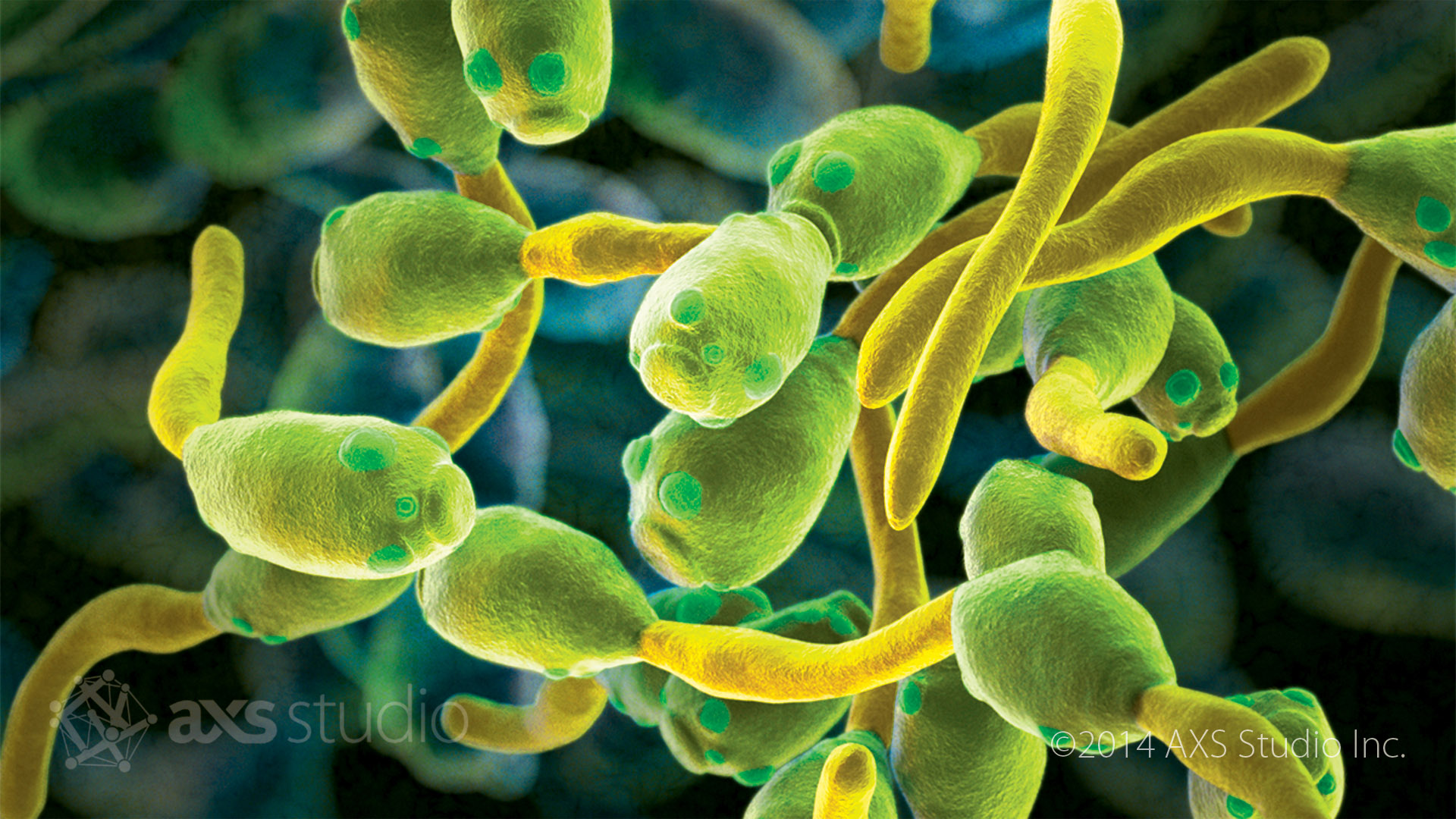
Microscopy techniques such as SEM are often referenced in MOA videos to indicate scale and suggest realism. Here, Candida albicans yeast cells are depicted in a coloured SEM style.
NPR techniques were developed to emulate traditional artistic media, including engraving, hand drawing and 2D cel animation. They offer several advantages for scientific communication. Most importantly, NPR makes it clear that viewers are looking at an interpretation of scientific data rather than reality. It can also provide a refreshing visual alternative when much of the MOA animation market trends toward photorealism. Studies have also shown that, in some contexts, non-photorealistic imagery can be easier to interpret than realistic imagery.1 Nonetheless, NPR MOA animations have become increasingly rare, perhaps in part because of the persistent perception that photorealism equates with quality and accuracy.
NPR styles can help differentiate an MOA animation by giving it an artistic look that stands apart from more common photorealistic rendering. In this example, AXS Studio medical animators achieved a watercolour-painting look using Artineering’s Flair renderer. Styles like this add visual interest while signalling to viewers that they are seeing an interpretive visualization rather than a real image.
MOA Animations Have Become Shorter
Since the mid-1990s, MOA animations have generally become shorter, although this is by no means universal. While three- to four-minute MOA videos were commonplace in the early 2000s, approximately 1.5–2 minutes is a more typical runtime today. Generally speaking, shorter MOA animations offer four advantages:
- They cost less.
- They are faster to produce.
- They are better suited to busy HCP audiences.
- They demand more focused messaging, helping viewers identify and retain the central scientific story.
One element that has moved in the opposite direction is important safety information (ISI). For branded pharmaceutical MOA videos, scrolling ISI text and accompanying narration can substantially exceed the duration of the core animation. Fortunately, ISI generally has relatively little impact on the animation production cost or timeline.
MOA Animation Has Evolved for Wider Audiences
Once largely the purview of physicians—specialists in particular—MOA animations are increasingly designed to address the needs of broader audiences. Nurses, physician assistants, patients and caregivers may all be stakeholders, affecting decisions about language, visual complexity and the level of scientific detail. Companies will sometimes create multiple versions of an MOA video. A version intended for a non-technical audience may use more accessible language and omit some of the higher-science animation sequences. If an MOA video is created exclusively for patient education, 2D animation may sometimes be preferred over 3D. Its relative visual simplicity can make complex information feel more accessible and less daunting.
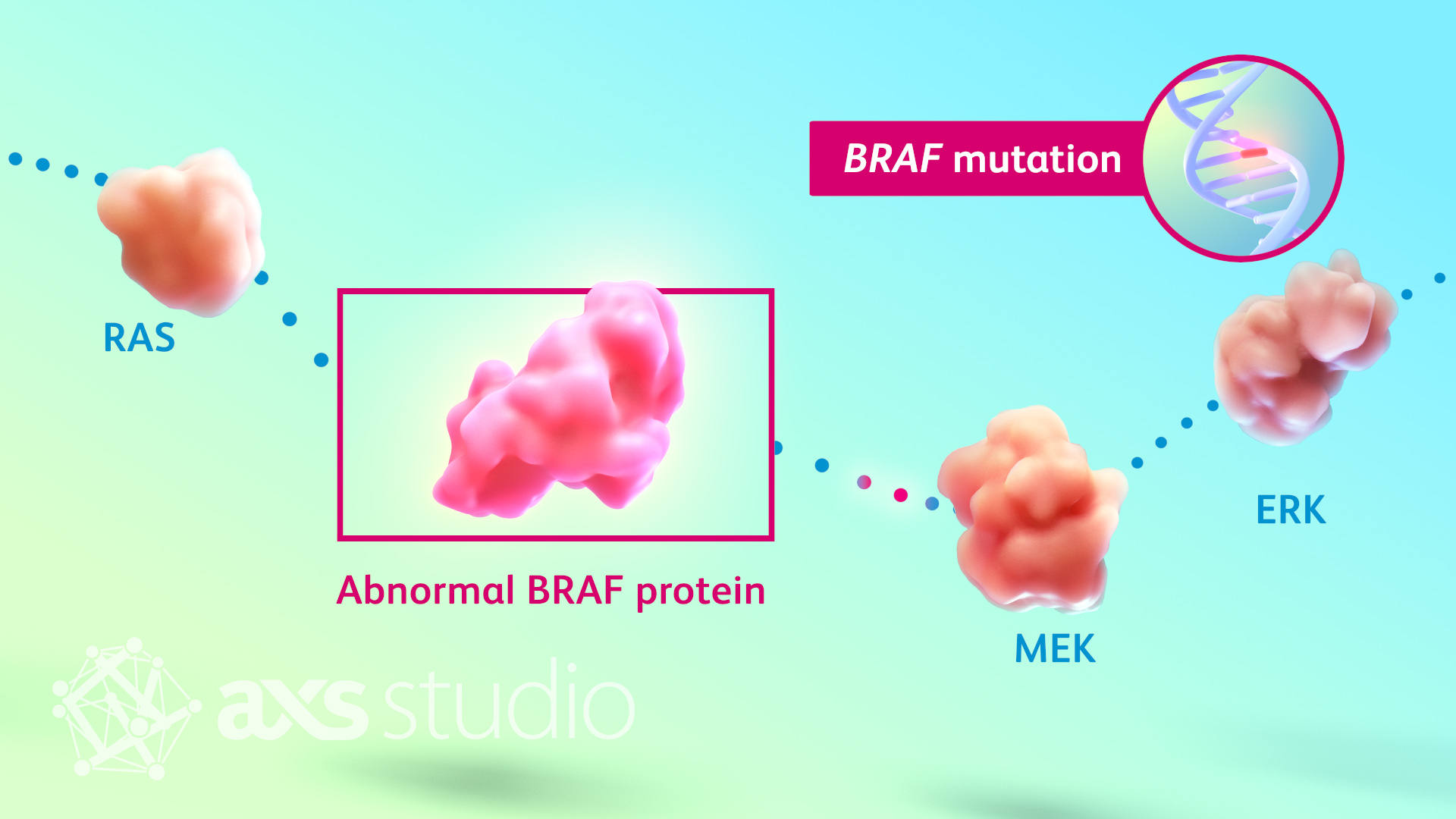
This MOA video was created for a lay public audience and distributed on a pharmaceutical company’s social media channels to support education around a newly approved skin cancer therapy. The medical animators employed straightforward visuals and plain language without sacrificing scientific accuracy.
The Fundamentals of MOA Animation Haven’t Changed
Throughout the evolution of MOA animation, several qualities have remained constant: clarity, effective storytelling, concision and scientific accuracy. Research into multimedia learning reinforces the importance of designing medical animations around how audiences process complex visual information.2 Although the tools used have changed over three decades, the principles of effective storytelling remain the same. Medical animators still draw on the core principles of filmmaking—composition, continuity, pacing, camera movement, editing and narrative structure—that filmmakers have refined for more than a century.
What Role Does AI Play in MOA Animation?
Artificial intelligence (AI) is proving disruptive in scientific communications as in other fields. As noted in our article The Future of Biotech Animation, AI can be useful in parts of the MOA animation workflow, particularly for automating repetitive or computational tasks where data-security considerations permit its use. Examples include:
- Writing computer scripts used to assist with procedural animation
- Assisting with physics-based animation calculations
- Denoising rendering artifacts that would otherwise be time-consuming to correct
- Helping organize complex production workflows
Used appropriately, these efficiencies can give medical animators more time to focus on the things that matter most: creative direction, storytelling and scientific accuracy.
Can AI Visualize New Science?
Use Caution with AI-Generated MOA Animation
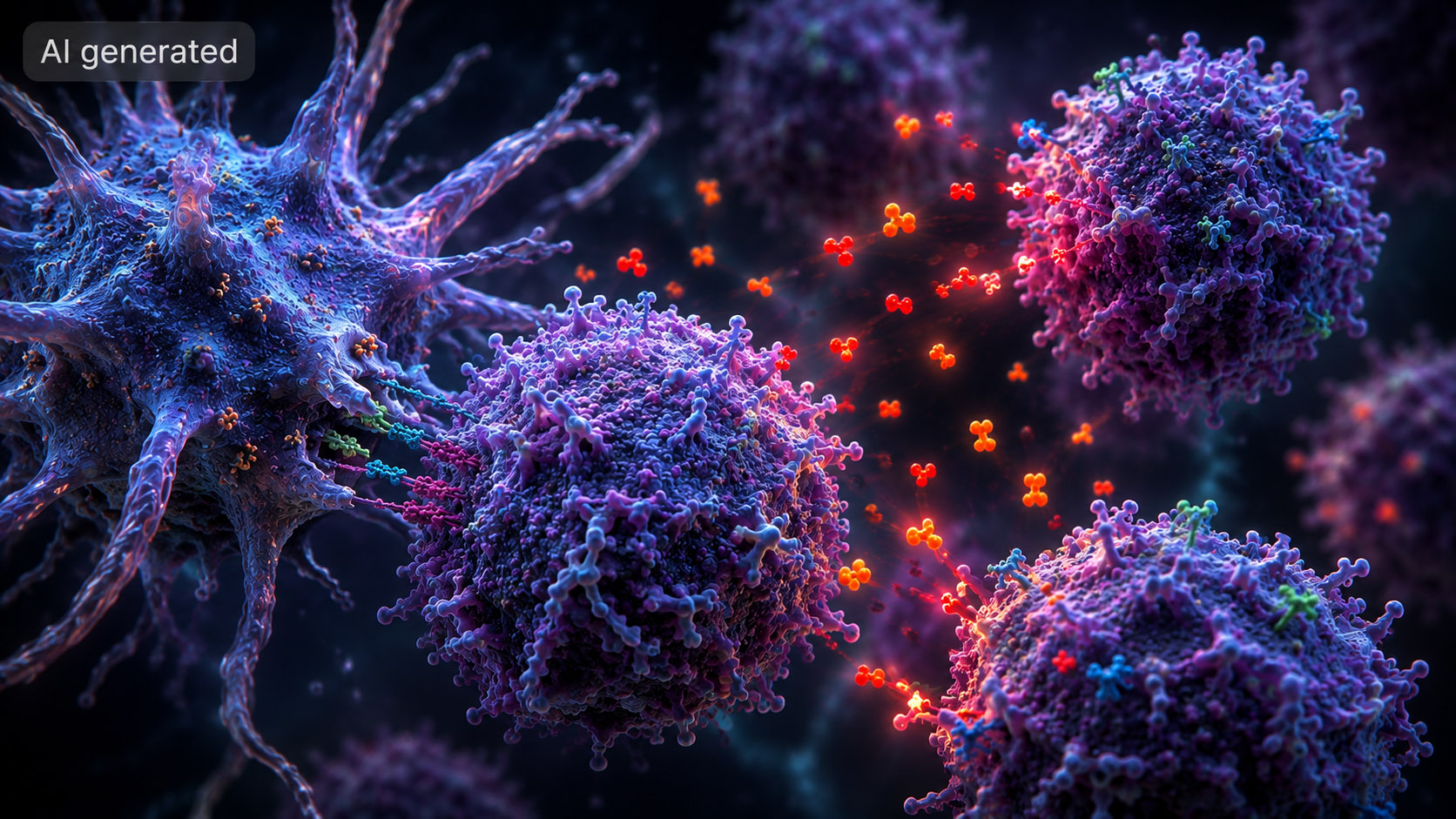
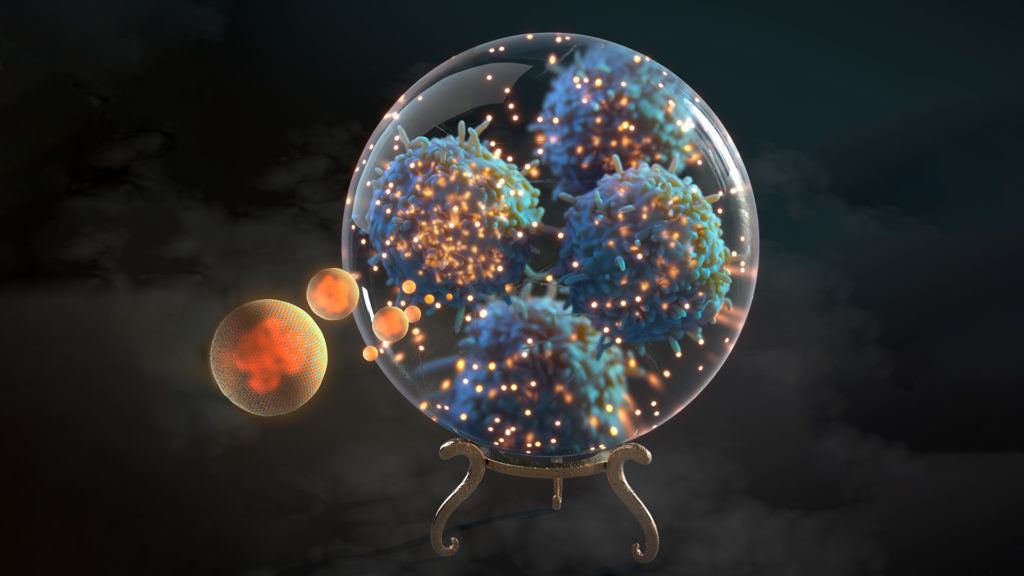
Healthcare and medcomm agencies are increasingly presenting biopharma clients with AI-generated concept art like this image. The problem comes later: animators may be asked to work backwards to reproduce the geometry, lighting, materials and visual effects of an AI image using conventional 3D animation tools. In our experience, this can be more time-consuming than developing concept art within the animation pipeline from the outset, and the original concept may ultimately have to be modified. This image was not created by AXS Studio.
Should AI Be Used for MOA Animation Concept Art?
We are increasingly seeing healthcare and medcomm agencies use tools such as Midjourney, DALL-E and Stable Diffusion to rapidly generate concept art for clients. The images can be impressive. The difficulty comes when an animation studio is subsequently expected to replicate the exact look using a controllable, scientifically accurate 3D production pipeline.
A more reliable approach is to use AI-generated imagery as visual inspiration rather than a production blueprint. Medical animators can then develop a related visual treatment that is scientifically appropriate and reproducible throughout the finished animation.
How Much Does an MOA Animation Cost?
Professional MOA animation typically costs approximately US $35,000–$70,000 per finished minute,* although cost does not scale perfectly with runtime. A typical 90-second MOA video may range from approximately US $50,000–$120,000.
The range reflects differences in:
- Scientific expertise—for example, whether the medical animators are Certified Medical Illustrators (CMIs)
- Cinematic and narrative quality
- Visual complexity and number of scenes
- Audio requirements, including voiceover, sound effects, music and mixing
- Review and revision requirements
- MLR submission support
*Lower-cost suppliers advertise MOA video production for considerably less. For this discussion, however, we are referring to professional MOA animation created by scientifically trained medical animators.
Another factor is agency involvement. Healthcare advertising and medical communications agencies frequently subcontract specialist animation studios and add project-management and agency fees to the underlying production cost. In our experience, those markups can be substantial—sometimes adding 50% to 100% to the wholesale animation cost. This can still bring value when the agency is already a trusted strategic partner and is coordinating the animation within a larger campaign.
Over the past three decades, however, the underlying cost of MOA animation has fallen considerably. In the early days of 3D computer animation, individual MOA videos could cost several hundred thousand dollars and were largely accessible only to major pharmaceutical companies. Falling costs have paralleled enormous increases in computing power and advances in animation software and hardware.
Million-dollar proprietary Silicon Graphics workstations have given way to comparatively affordable desktop workstations and cloud-based computing resources. As a result, emerging biotechnology and medtech companies can now use high-end MOA medical animation to communicate with investors, attract partners and showcase their technologies at scientific congresses.
How Long Does an MOA Animation Take to Create?
A typical MOA video takes approximately 10–16 weeks to complete. The exact schedule depends on the length and complexity of the animation and, importantly, the number and duration of client, scientific and regulatory review stages.
A typical production process includes:
- Voiceover script development and review
- Storyboard development and review, including MLR where appropriate
- Sample renderings or style frames and review
- Prefinal animation and review, including MLR where appropriate
- Final animation
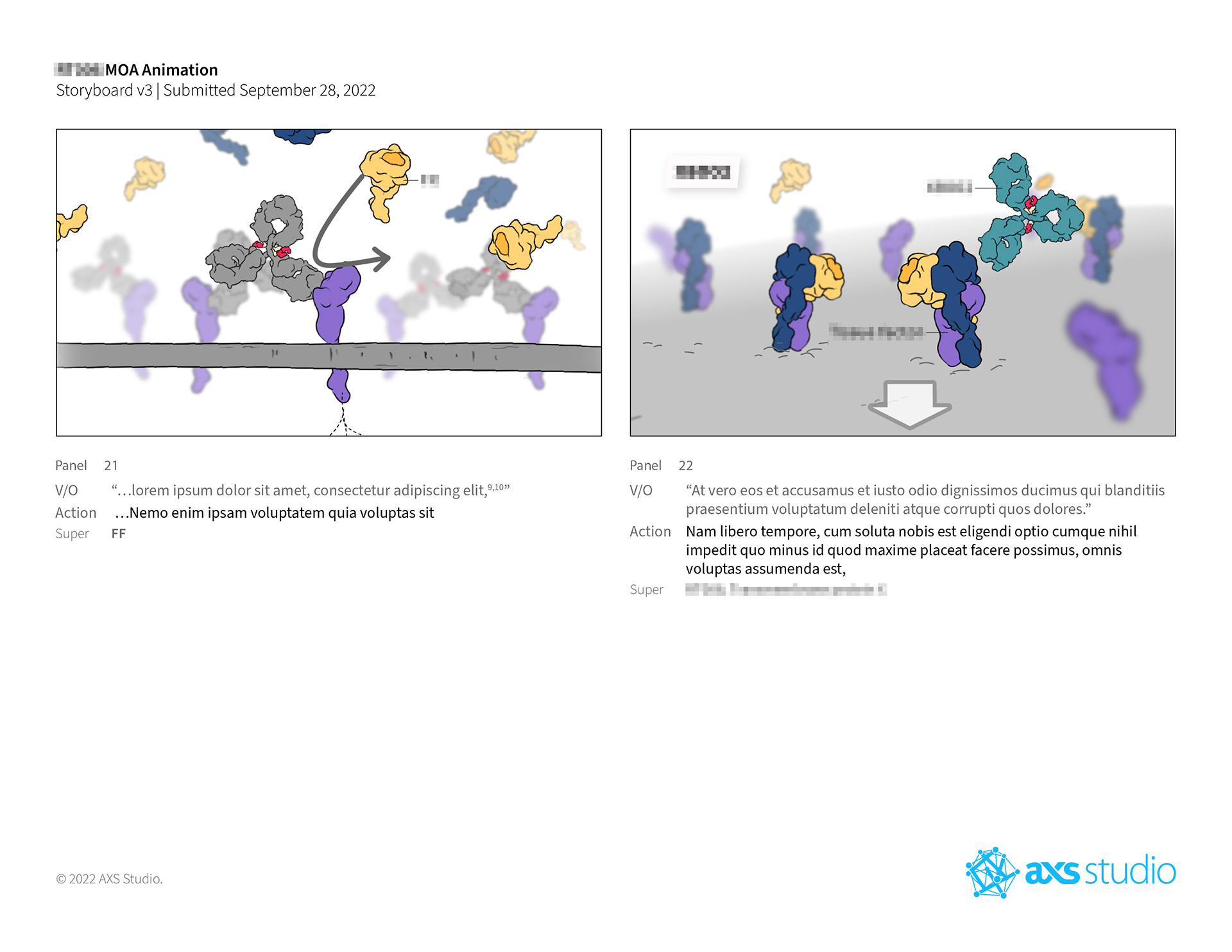
Storyboarding is an essential preproduction step in the MOA animation workflow. Medical storyboard artists research the underlying science and gather peer-reviewed visual references spanning gross anatomy, tissue, cellular and molecular scales. With that scientific foundation—and training in visual storytelling and cinematography—the artist uses the approved voiceover script to design each shot, including camera movement, composition and transitions.
A well-developed storyboard gives the scientific, creative and regulatory teams an opportunity to refine the visual narrative before expensive 3D production begins. At AXS Studio, we use original drawn storyboards as the blueprint for the finished animation. Drawings can be revised relatively quickly as the scientific story develops through review. Fully built 3D scenes are considerably more time-consuming to change. This front-loaded process gives clients greater flexibility during review and gives medical animators a clear, approved visual plan to follow when building and animating the final MOD or MOA video.
Want to Learn More About MOA Animation?
Whether you’re developing scientific communications for Medical Affairs, preparing congress materials or planning communications around an upcoming product launch, an experienced medical animation team can help translate complex science into a clear and compelling visual story.
References and Resources
- Newman RM, Bussard N, Richards CJ. Integrating interactive 3-D diagrams into hypermedia documentation. SIGDOC. 2002:122–126.
- Yue C, et al. Applying the cognitive theory of multimedia learning: an analysis of medical animations. Medical Education. 2013;47(4):375–387.
- Strugała A, et al. Evaluation of Generative Artificial Intelligence Models in Producing Anatomically Accurate Illustrations: A Comparative Study of Text-to-Image Generators. Clinical Anatomy. 2026;Epub ahead of print.
- U.S. Copyright Office. Copyright and Artificial Intelligence, Part 2: Copyrightability.2025.